AI
Exploring how large language models can move beyond chat into tools and workflows.
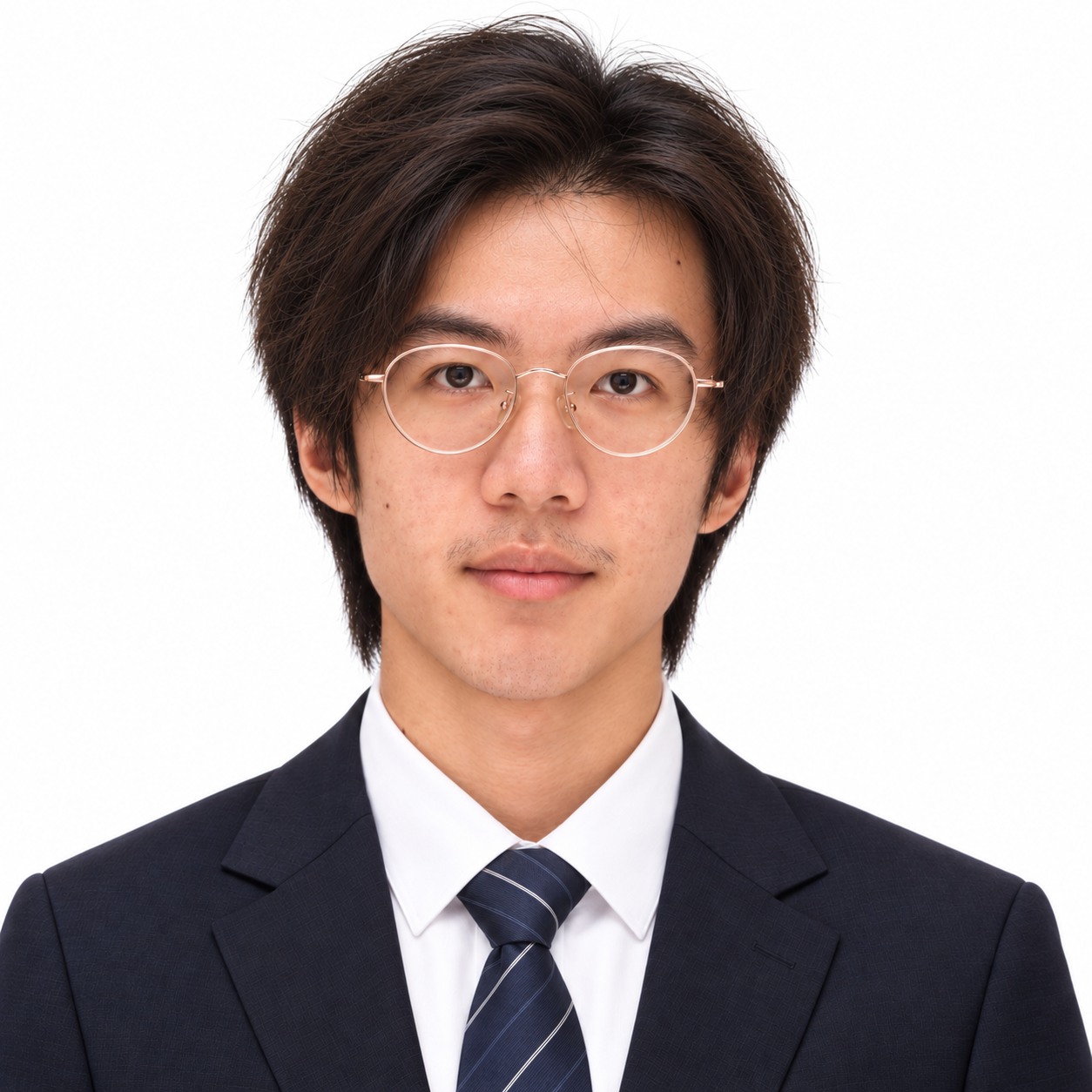
Guangzhou Maritime University · Smart Transportation, Class 253
AI, products, and transportation — with an eye for light and time on the volleyball court.
From Shenzhen, with family roots in Hubei.
Now studying in Guangzhou.
Rather than pinning myself to a predefined label, I see this moment as a coordinate in a continuing journey of movement and discovery. Photography and volleyball are part of my everyday life, too.
Model Training and AI Workflows · Break goals into concrete tasks, organize local models, agents, and skills into practical workflows, then review and refine the results.
Research and Information Analysis · Find and filter sources, verify evidence, and turn long videos and complex material into clear notes and visuals.
Product Testing and Feedback · Reproduce issues, describe user flows, and suggest specific, actionable improvements.
Photography and Visual Storytelling · Use light, composition, and visual rhythm to shape photo series and express what I notice.
Communication and Teamwork · Communicate needs and feedback clearly, work within a team, and keep others up to date.
Exploring how large language models can move beyond chat into tools and workflows.
Good tools work like clear wayfinding signs: remove the clutter and let logic and information come through.
From urban road networks to time-series data, learning how transportation systems work.
Photography. Slowly collecting the images I’m happy with here.
Volleyball. Making room in everyday life for time on the court.
Projects, competitions, volunteering, and conversations around technology. In chronological order, a record of where I’ve been, what I’m working on, and what comes next.
A series of competitions, starting with “Bo Cui Min Qiong.”
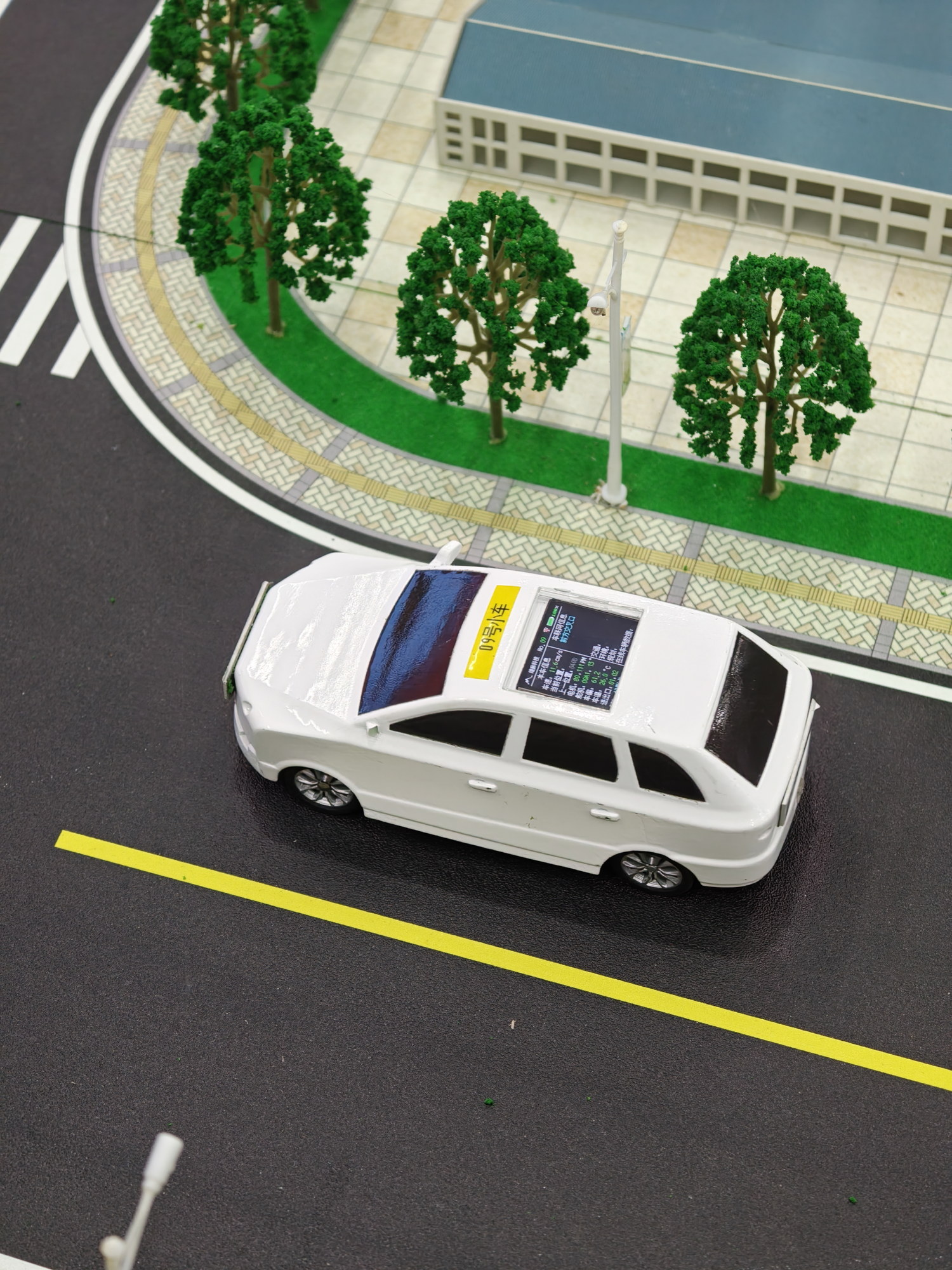
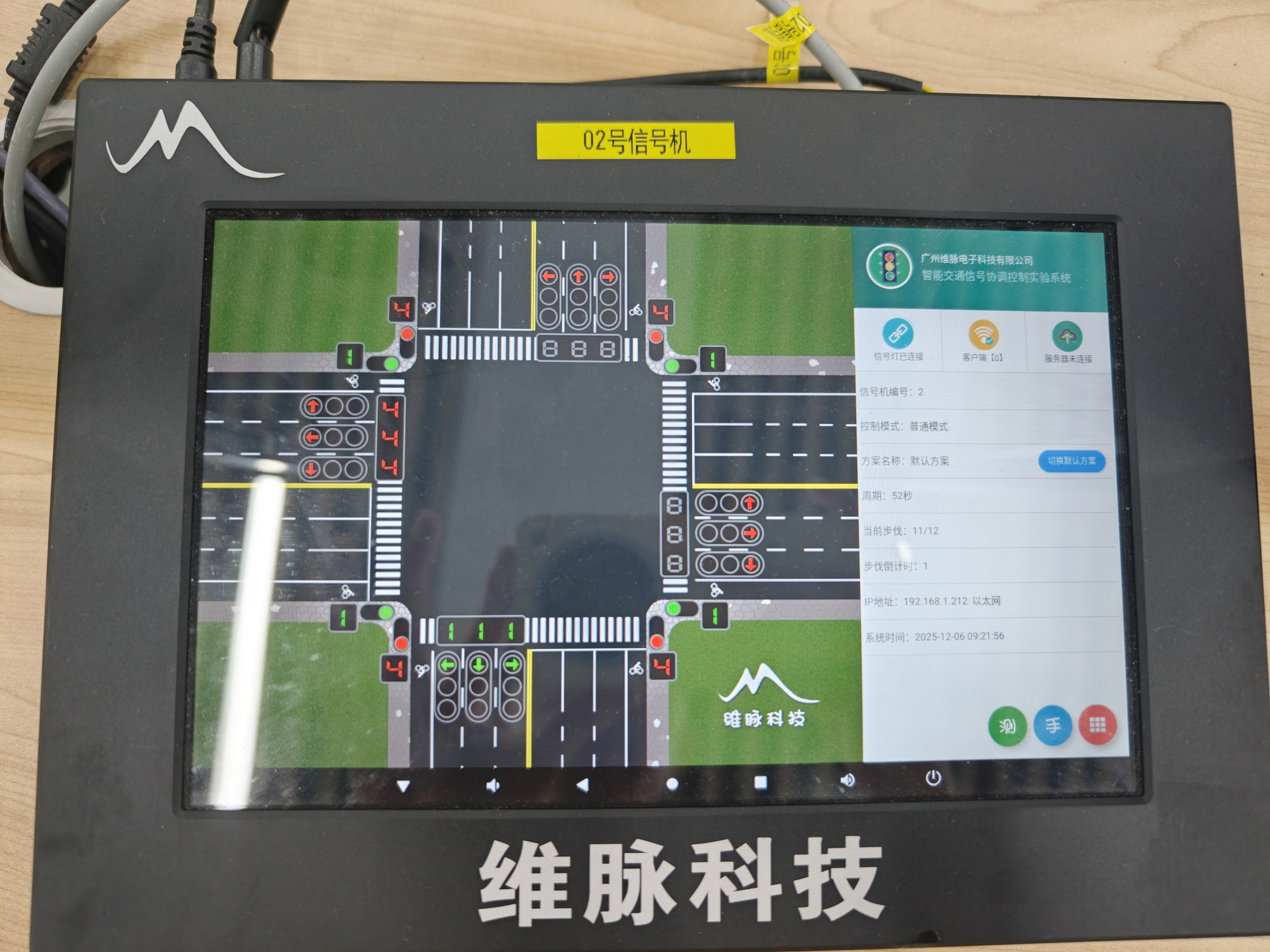
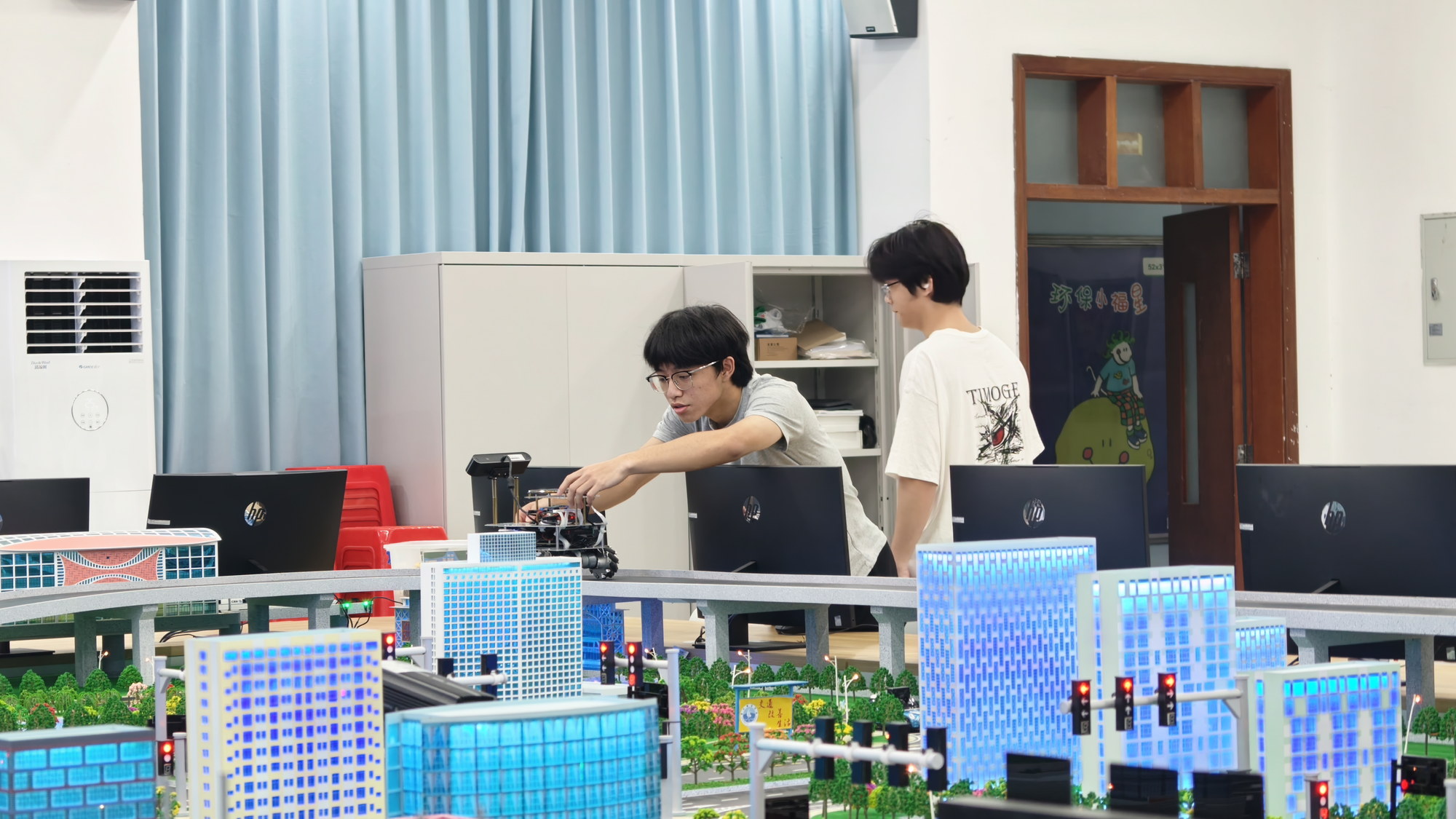
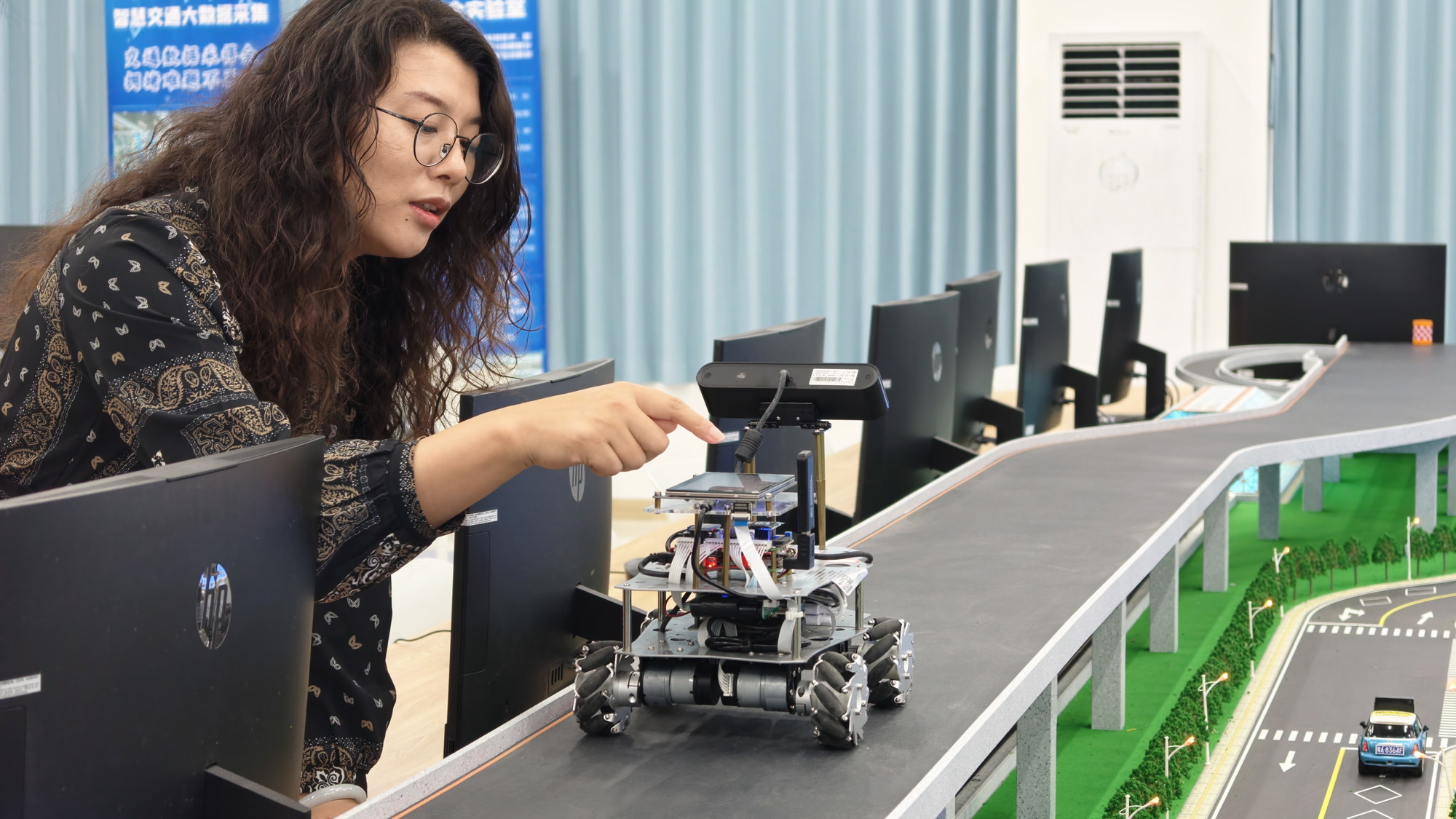
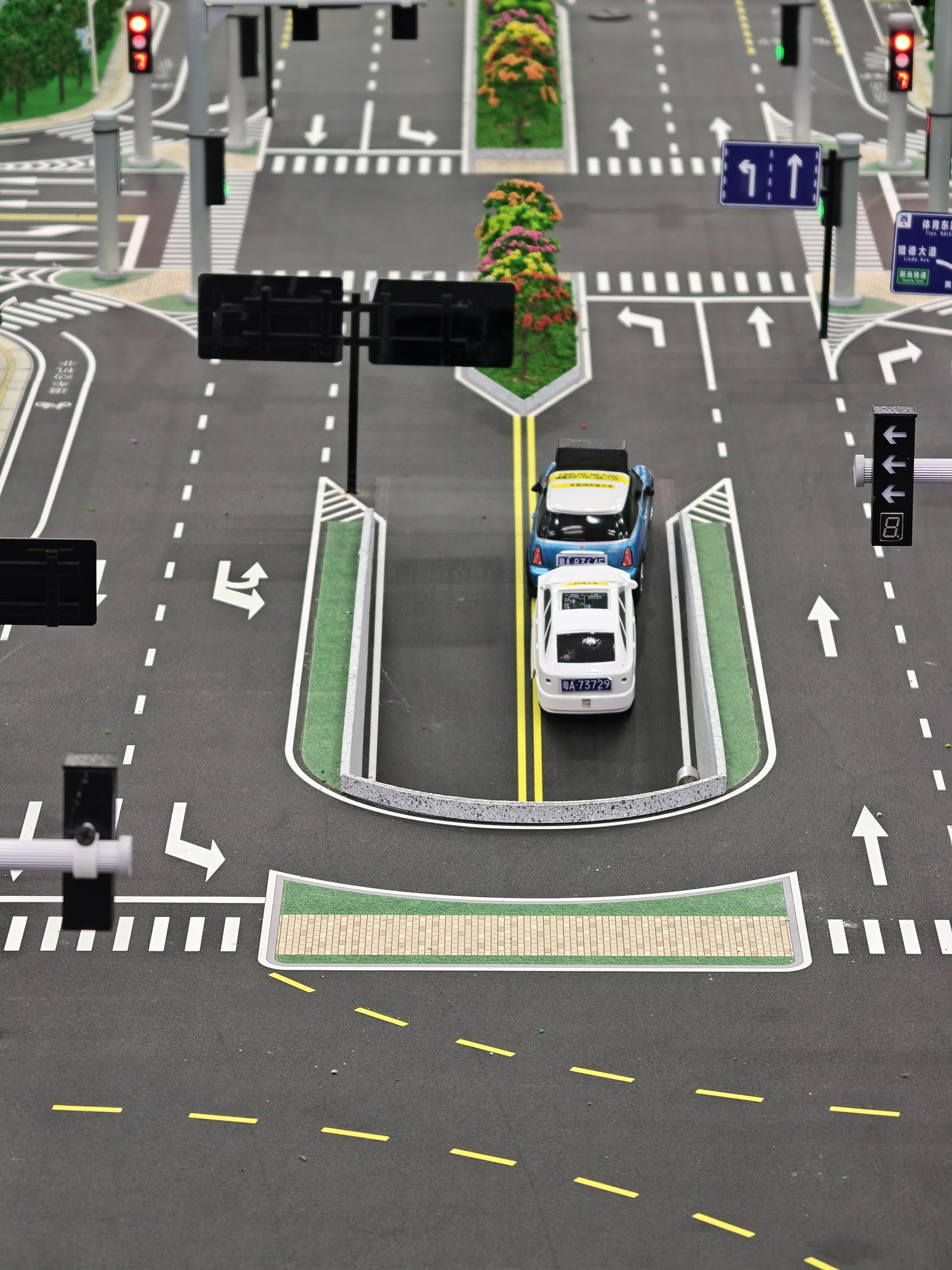
As part of the Smart Transportation Lab’s outreach team, exploring ways to communicate ideas about transportation.
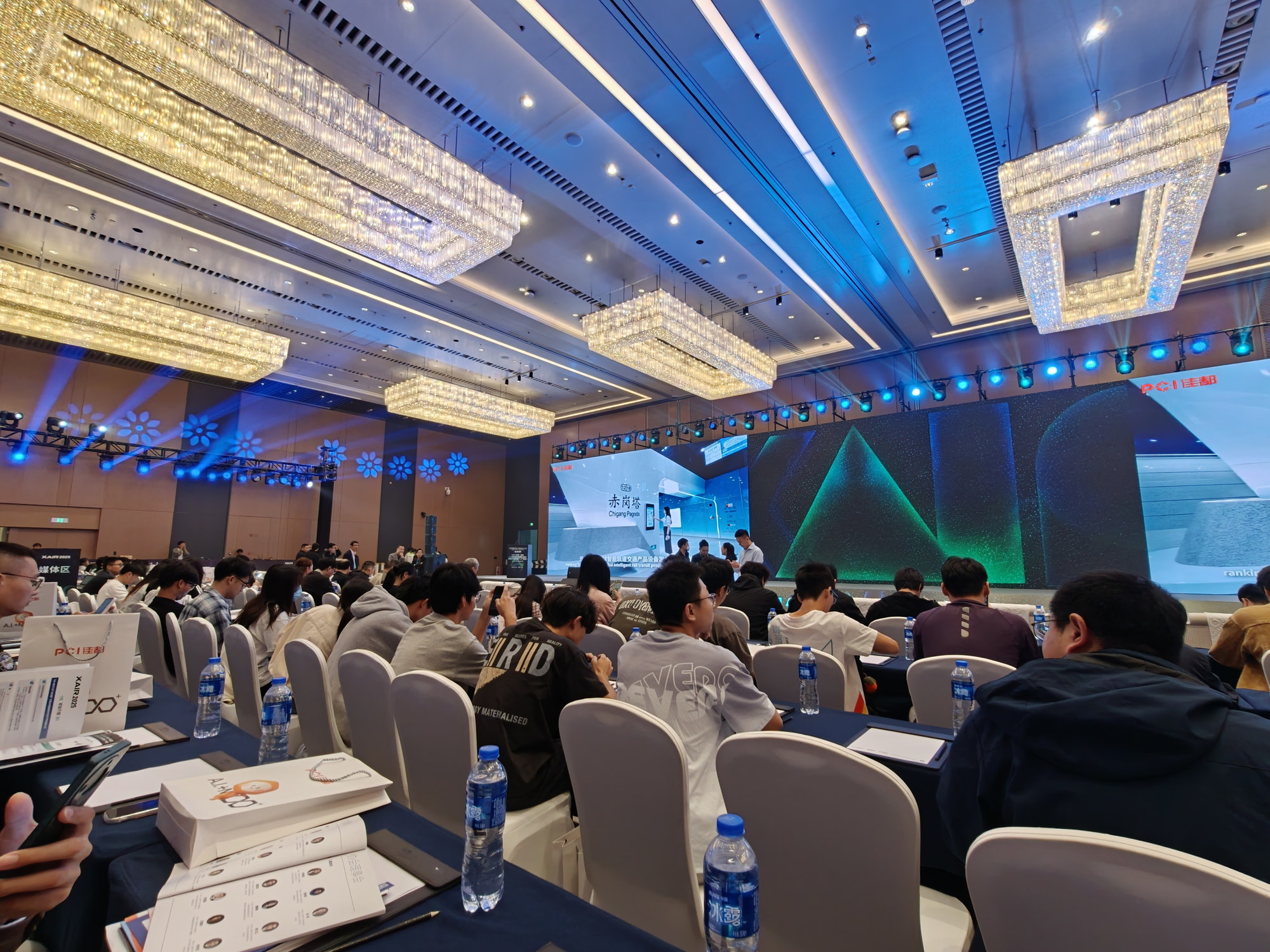
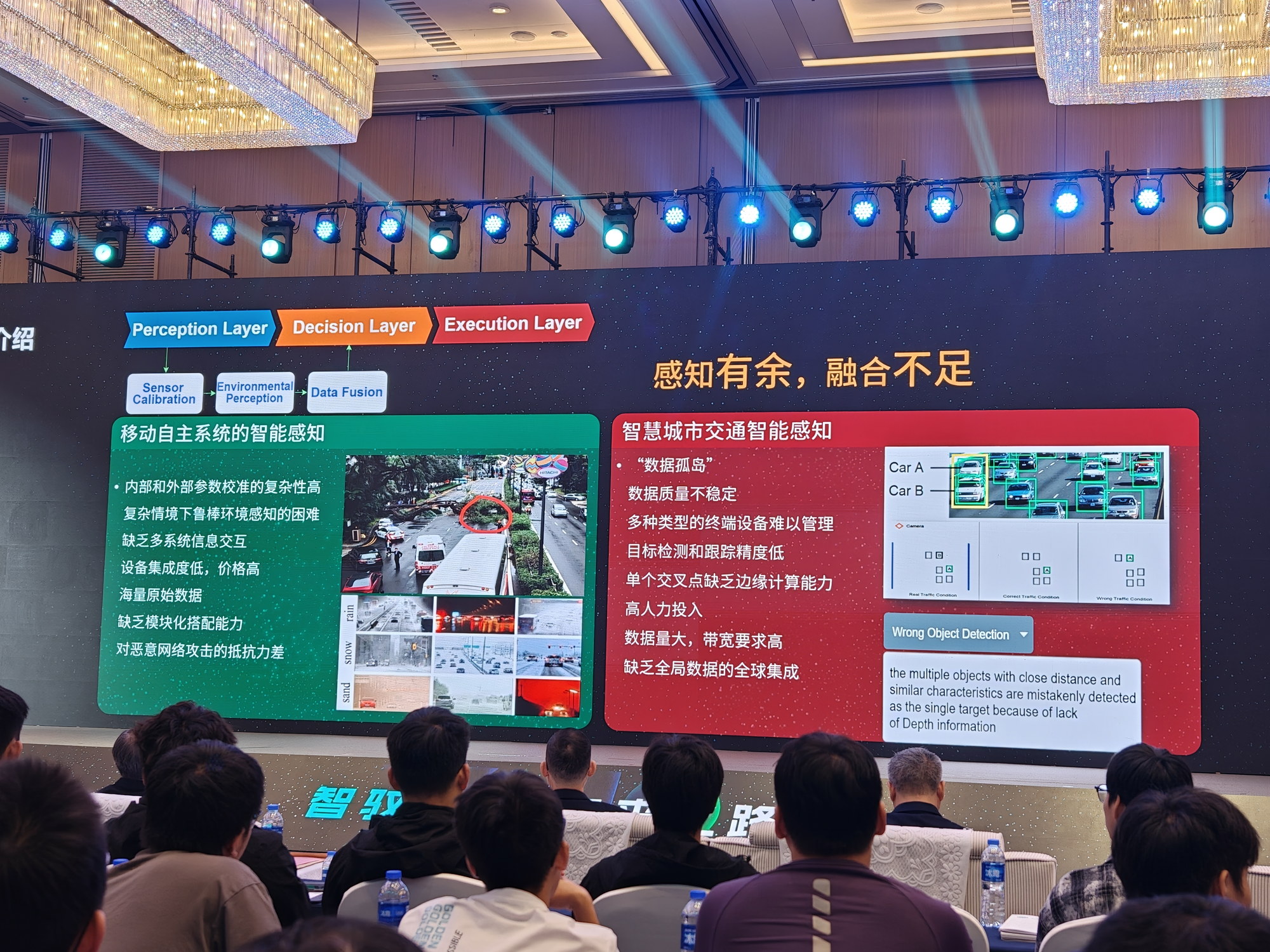
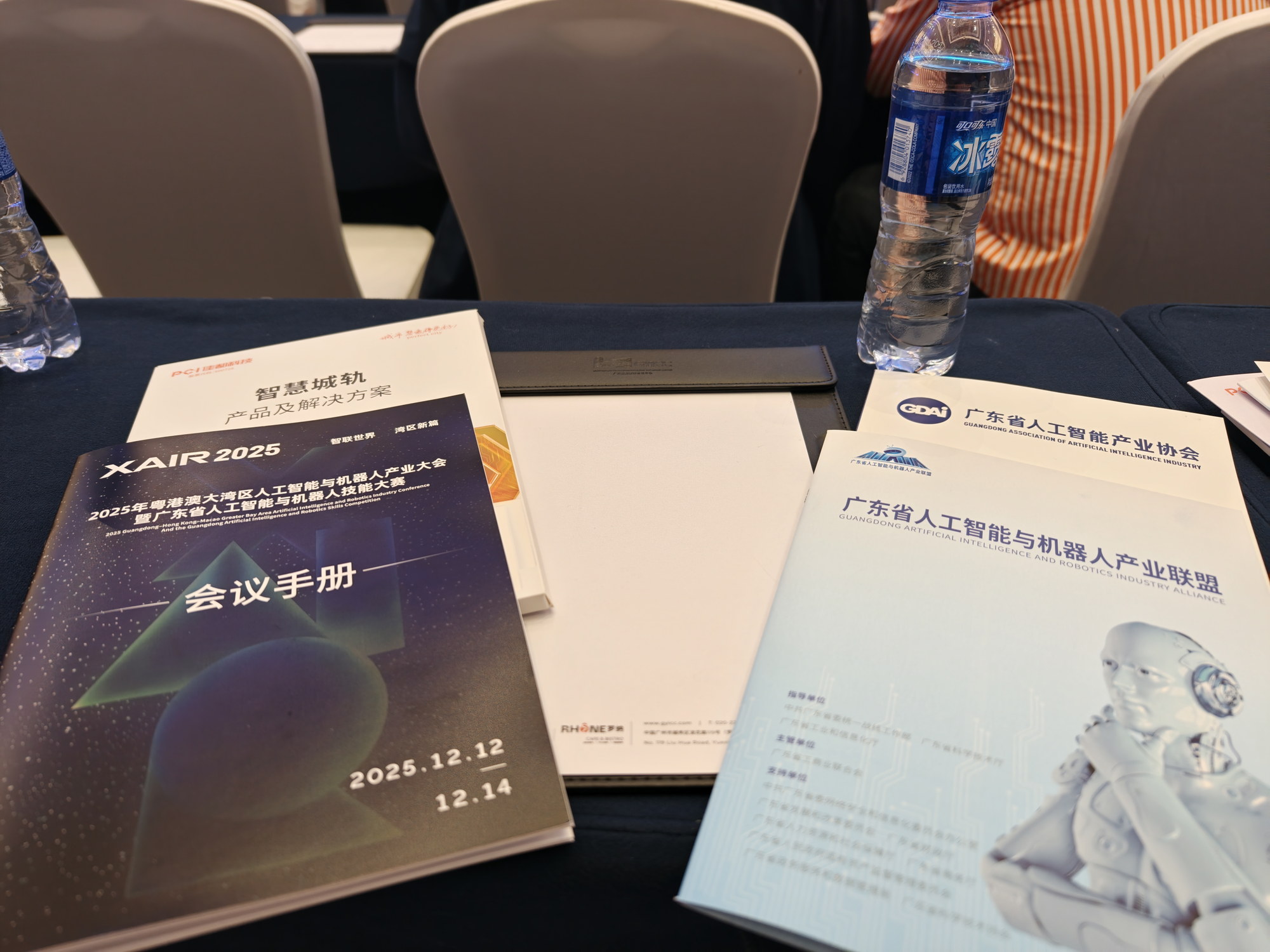
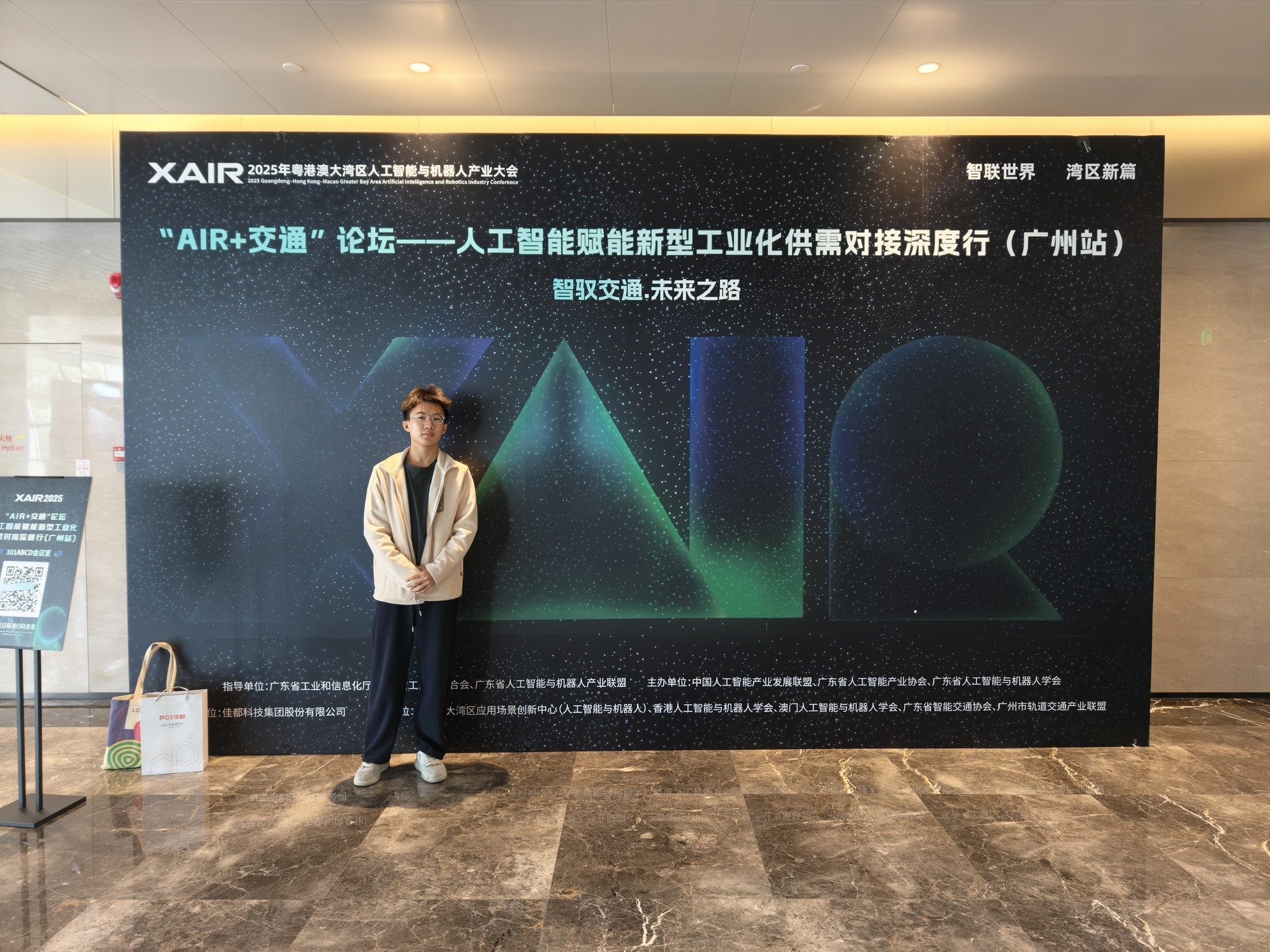
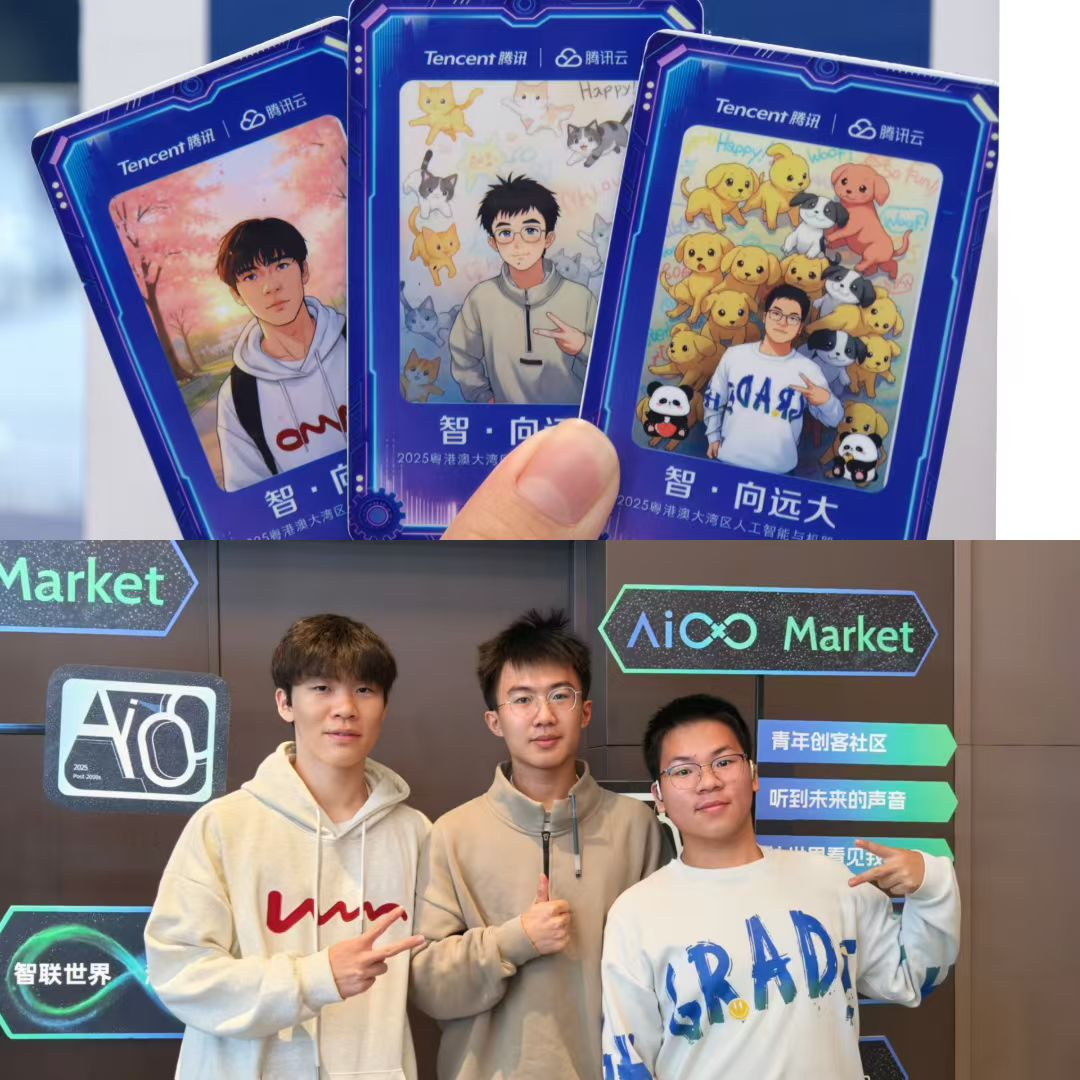
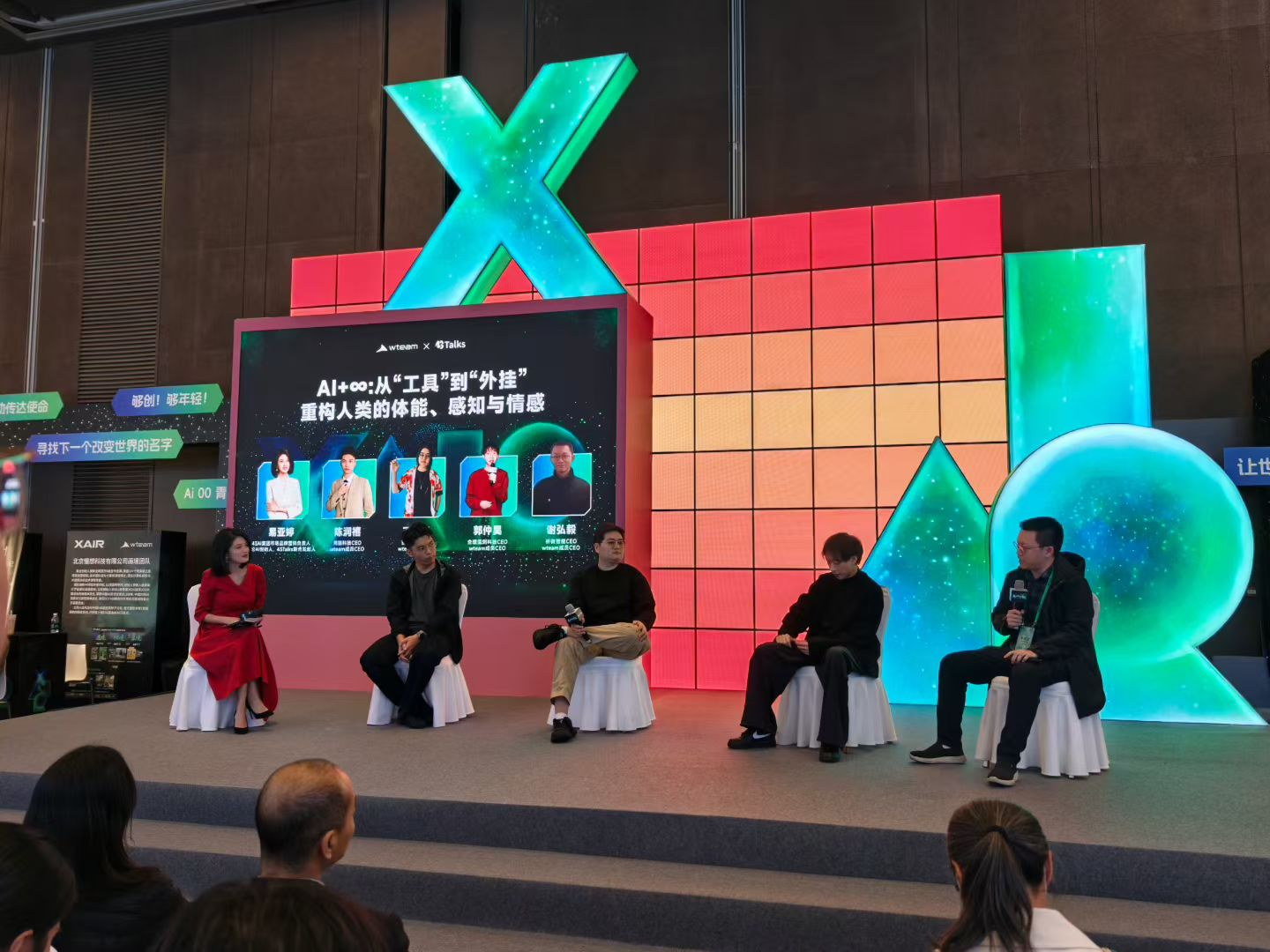
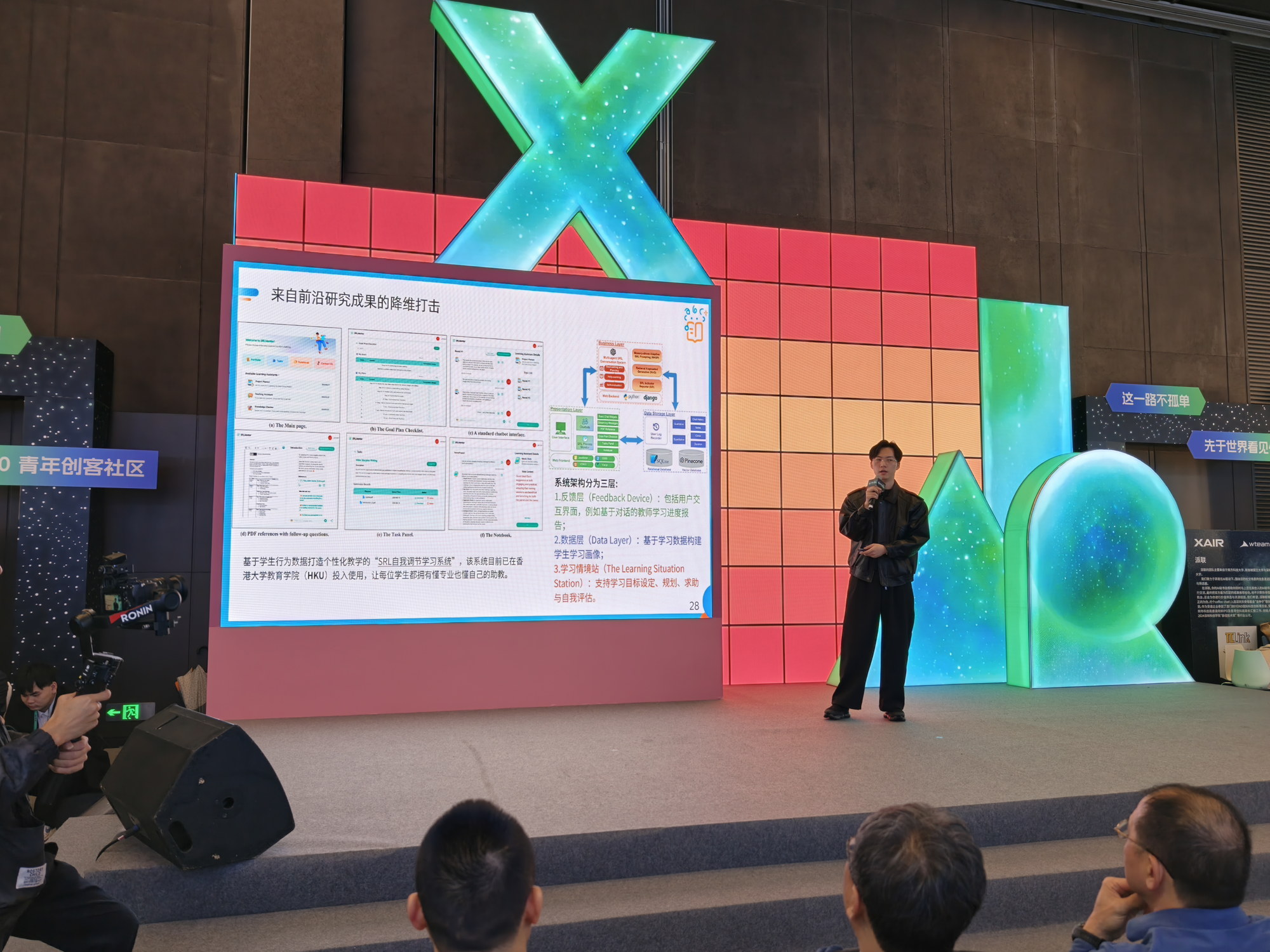
From the AIR+ Mobility Forum to the conference and public open day over the next two days, the event explored how AI and robotics are being applied in transportation and everyday settings.
Mobility forum coverage ↗Conference coverage ↗Public open day coverage ↗
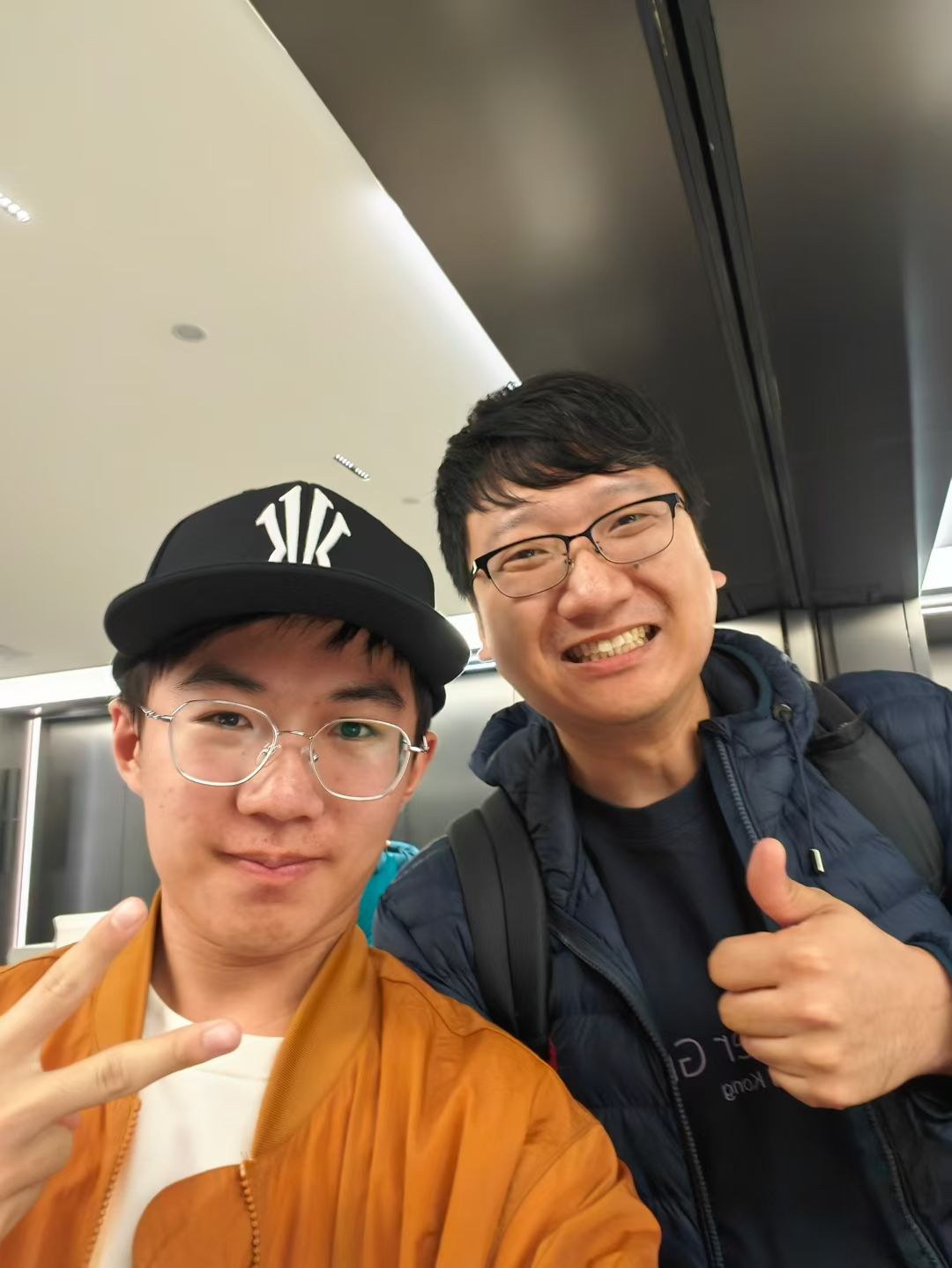
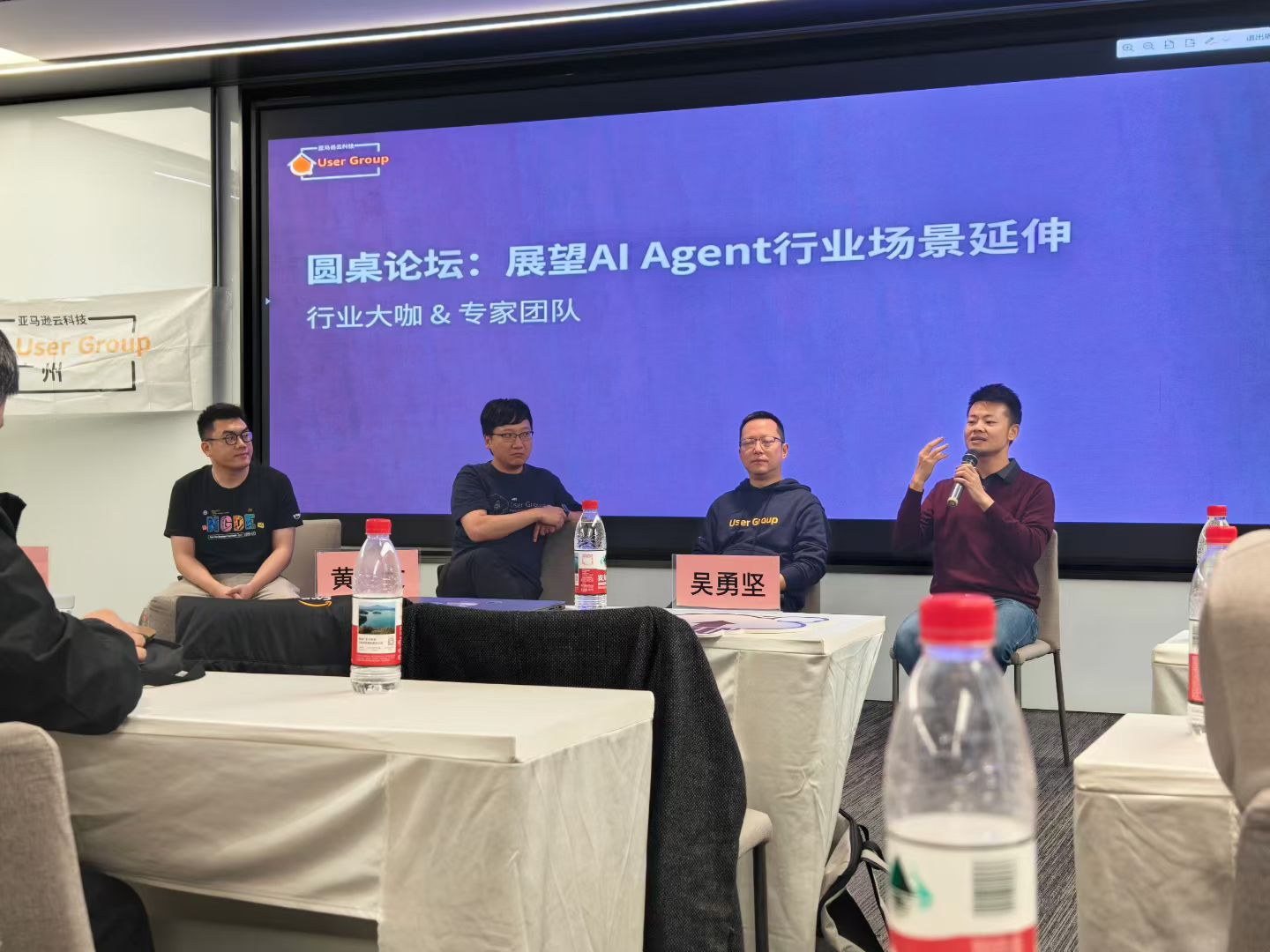
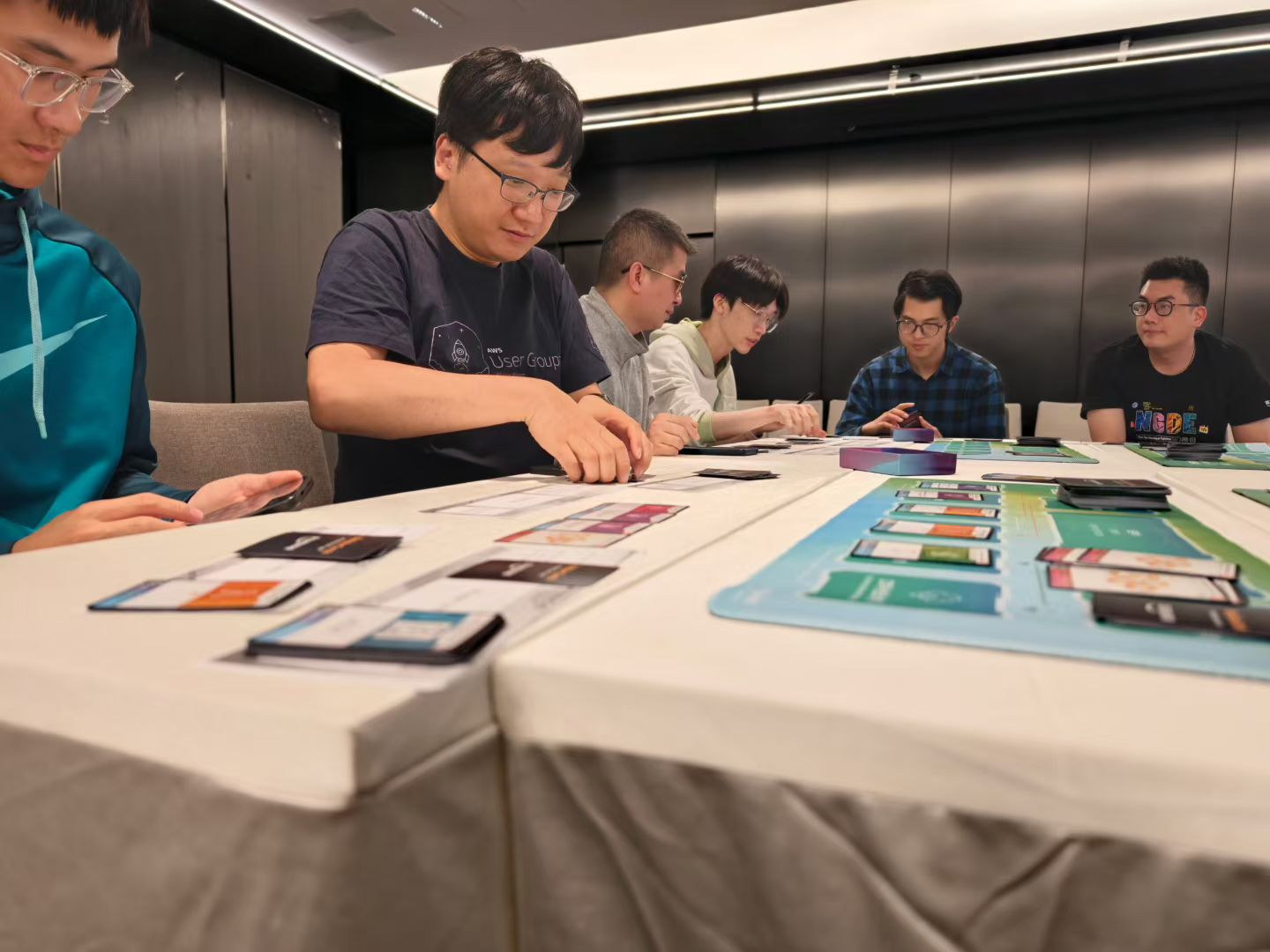
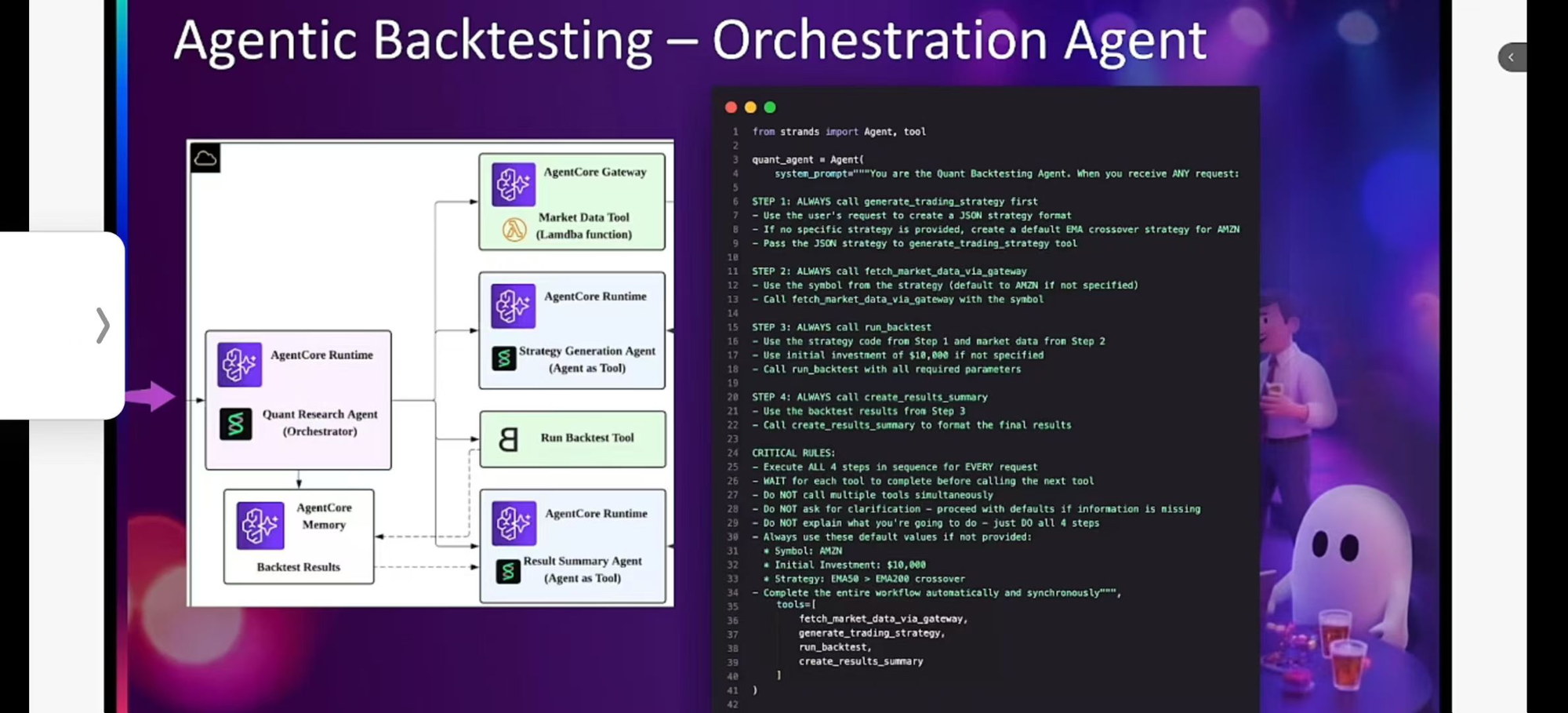
Joined a Guangzhou community event connected with AWS re:Invent, exploring cloud technologies and the developer community.
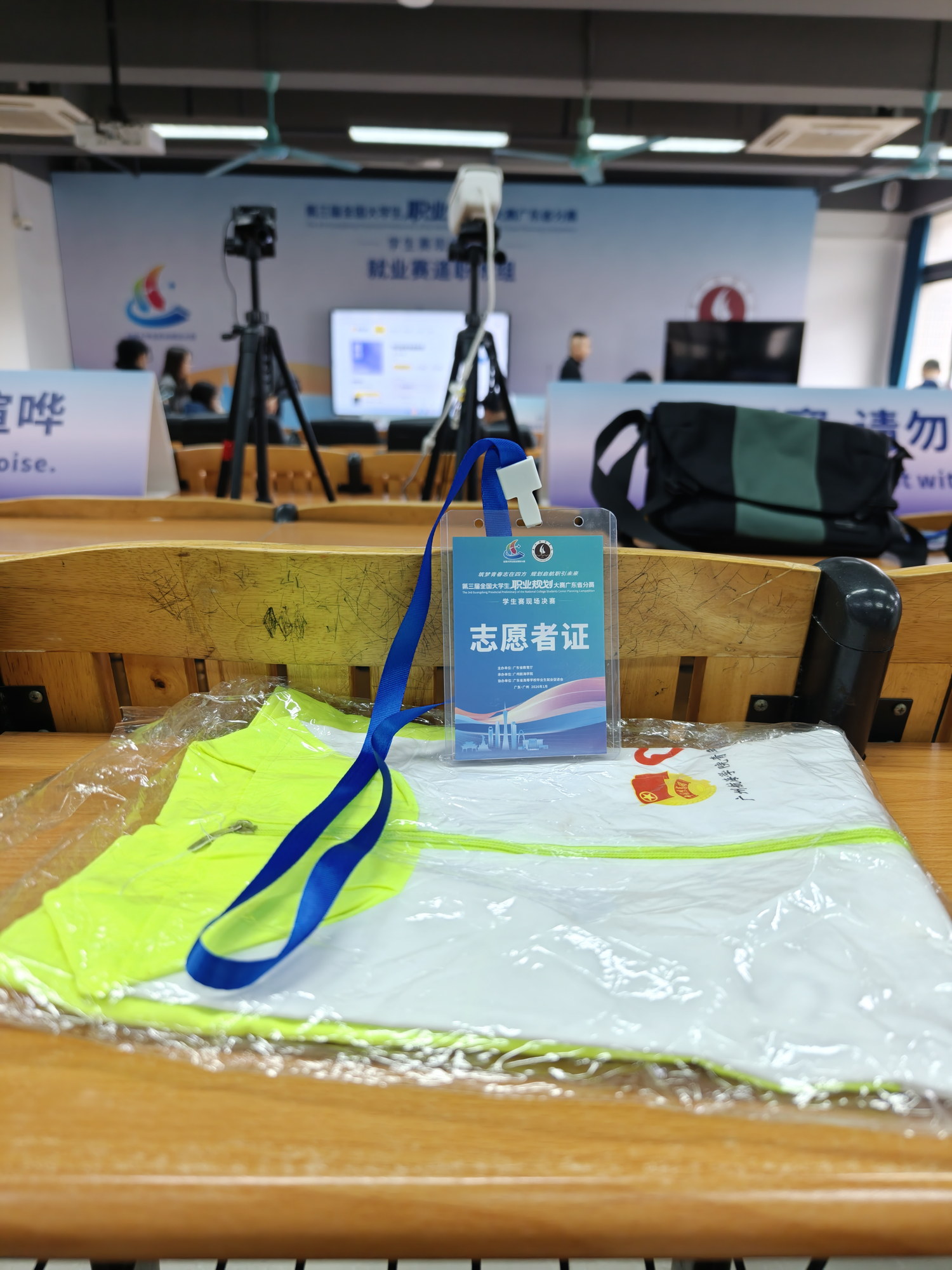
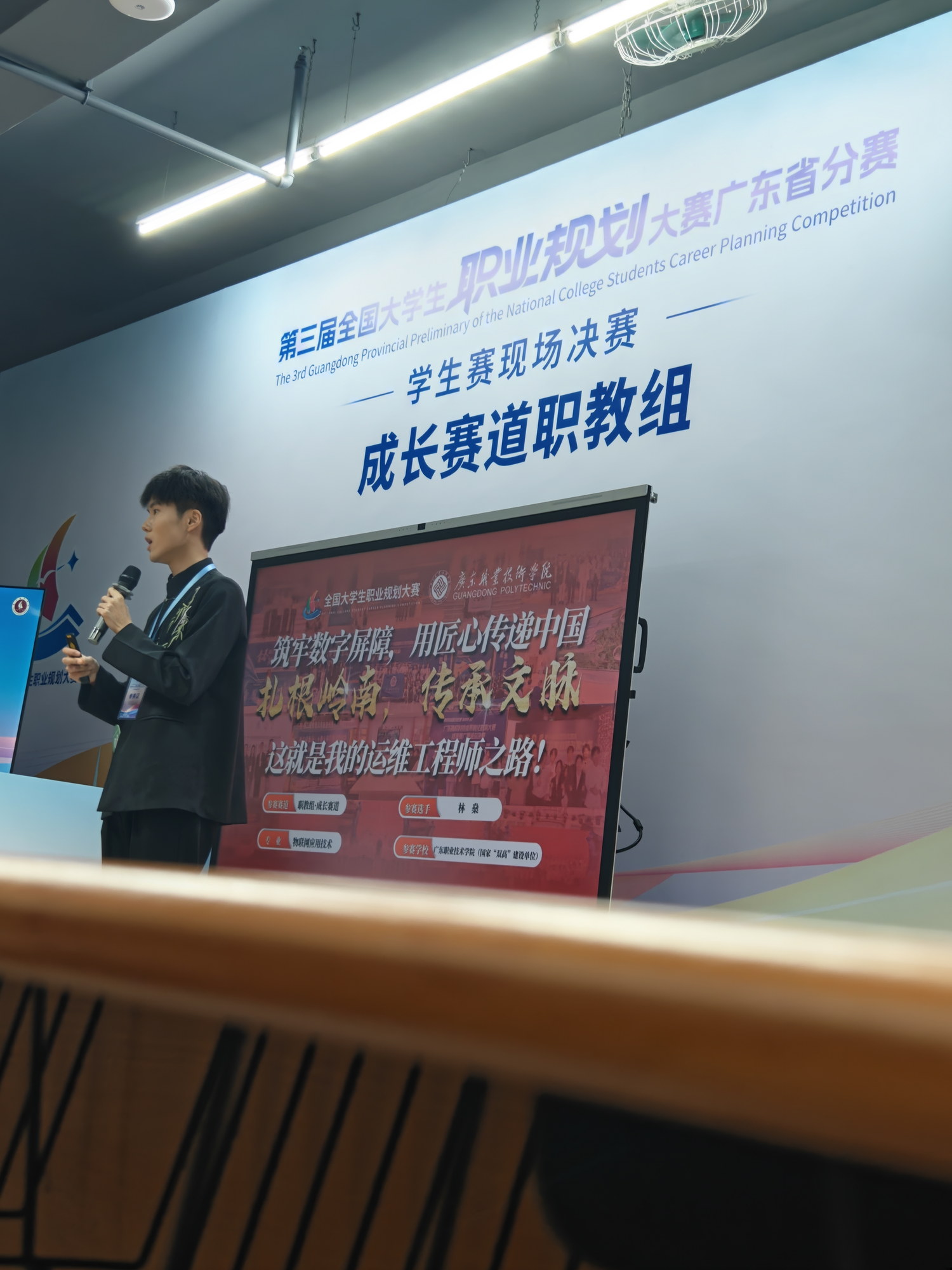
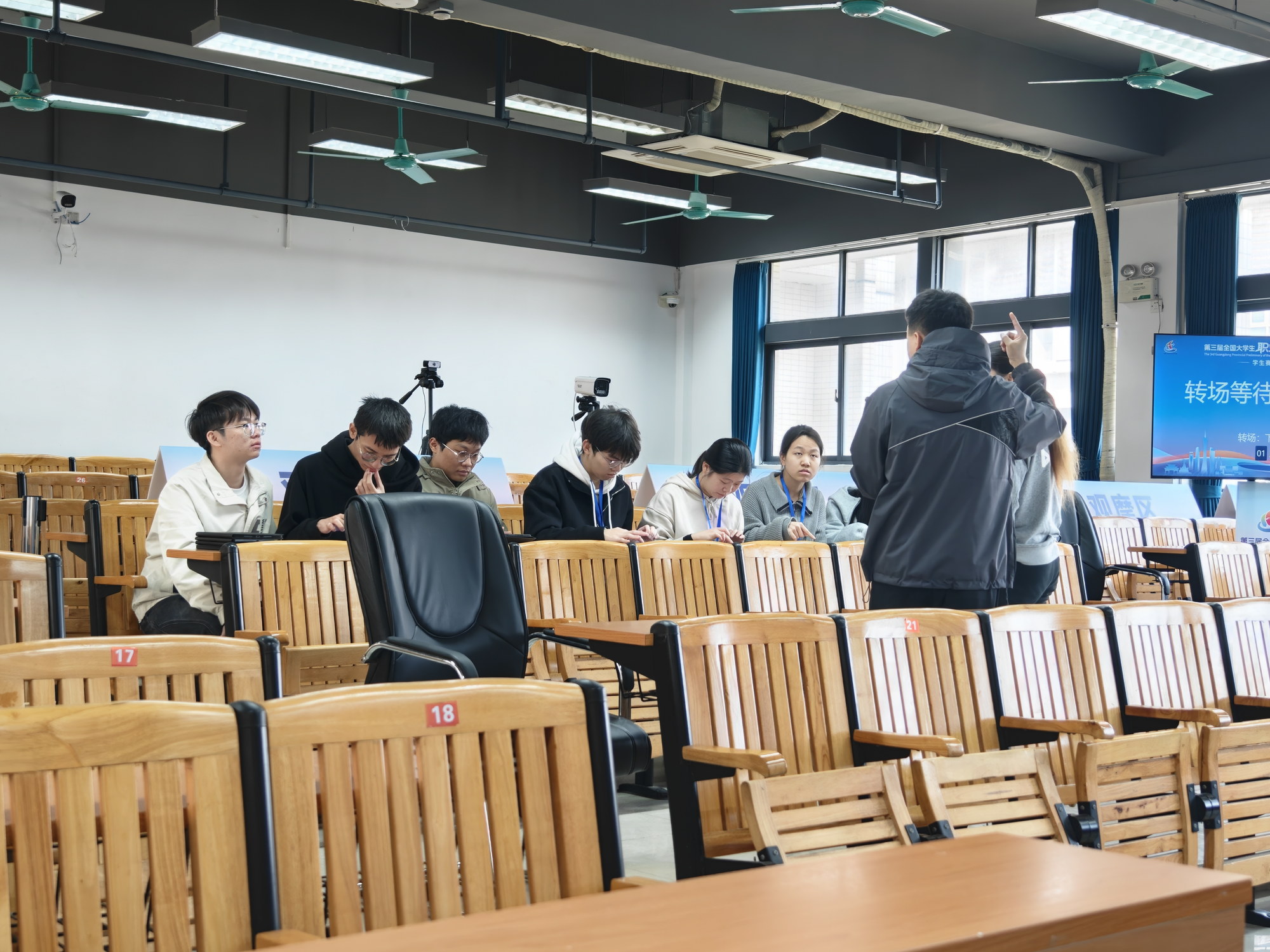
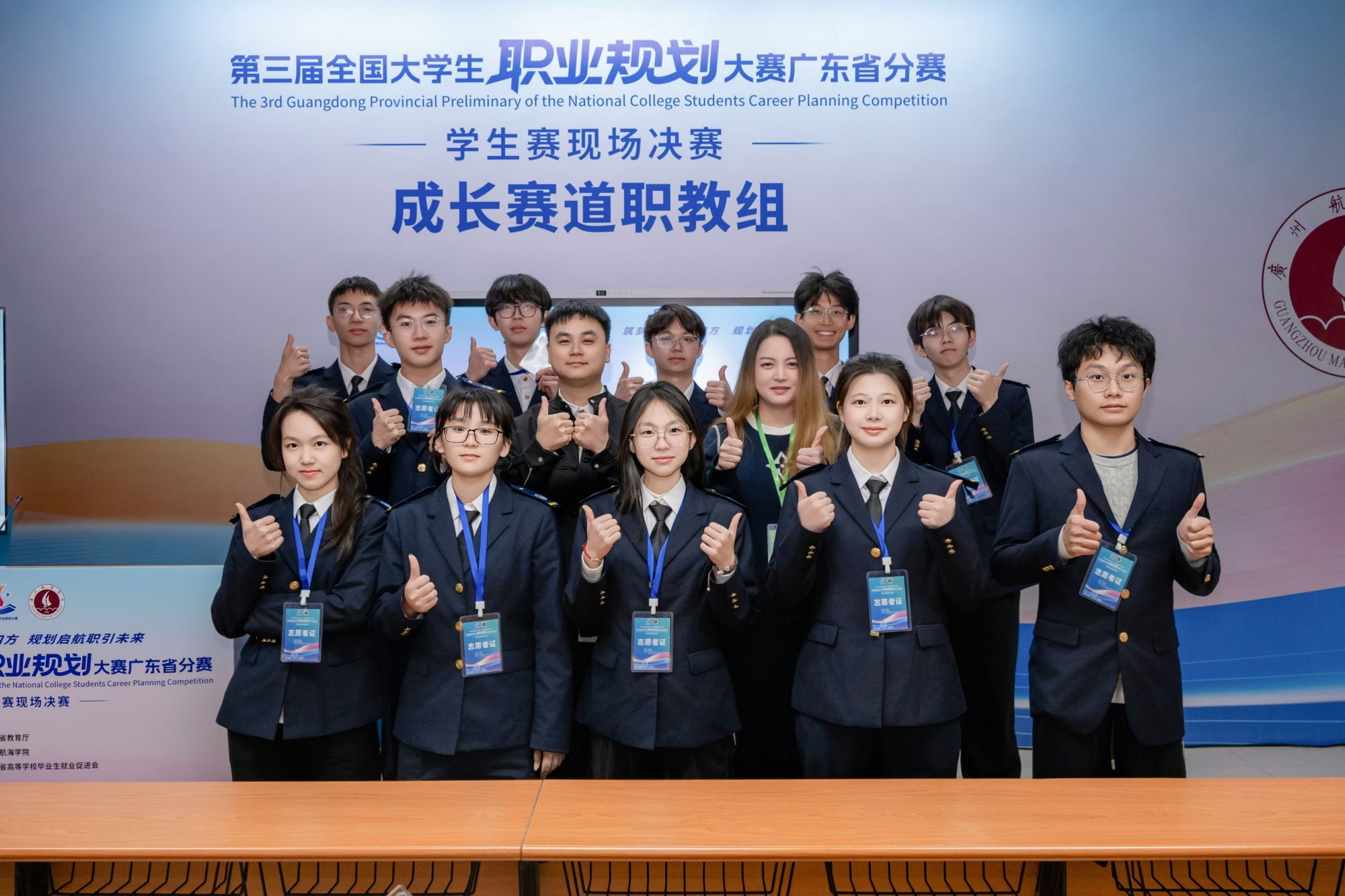
Organized by the Guangdong Provincial Department of Education and hosted by Guangzhou Maritime University, the provincial final featured three tracks: growth, employment, and curriculum teaching. I volunteered at the event held on my campus.
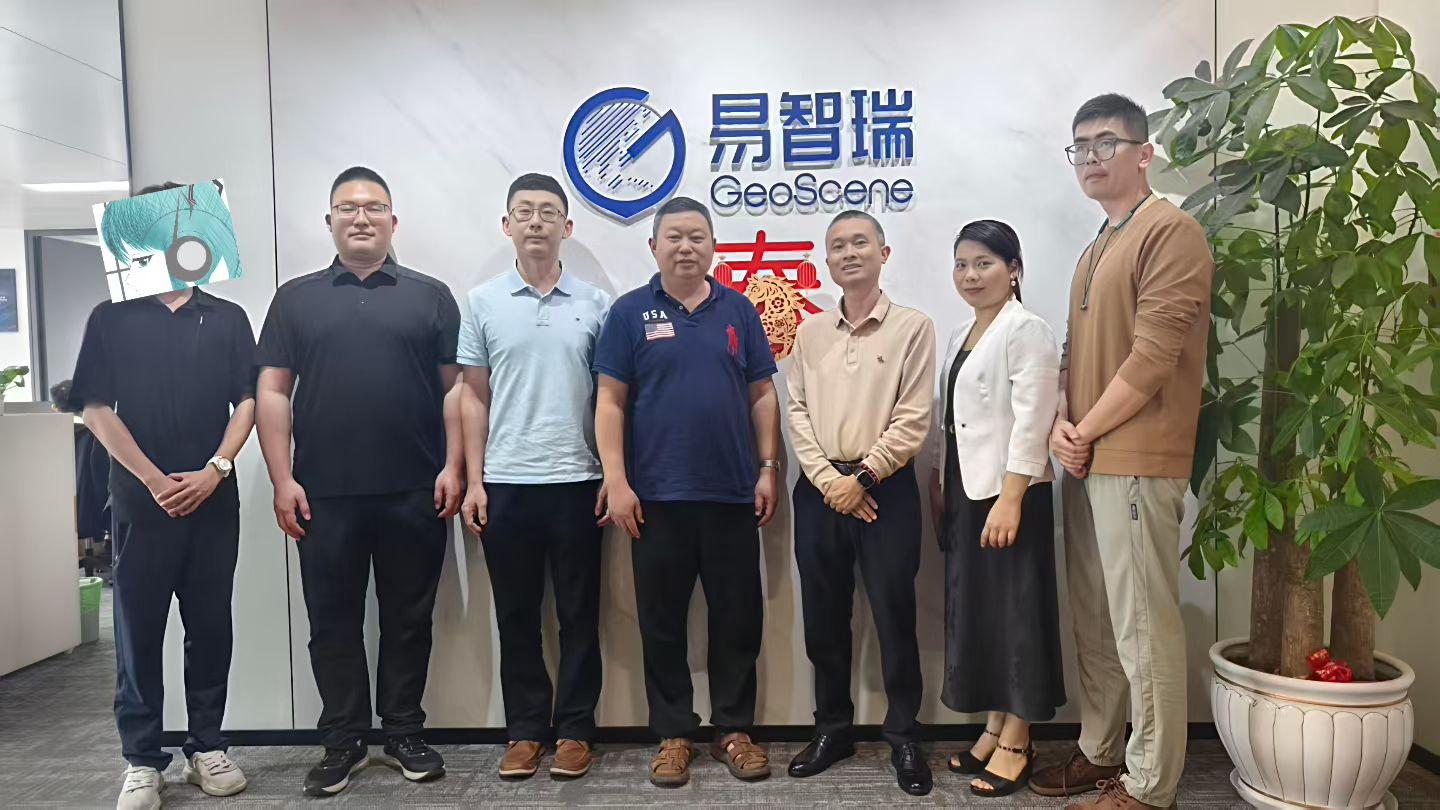
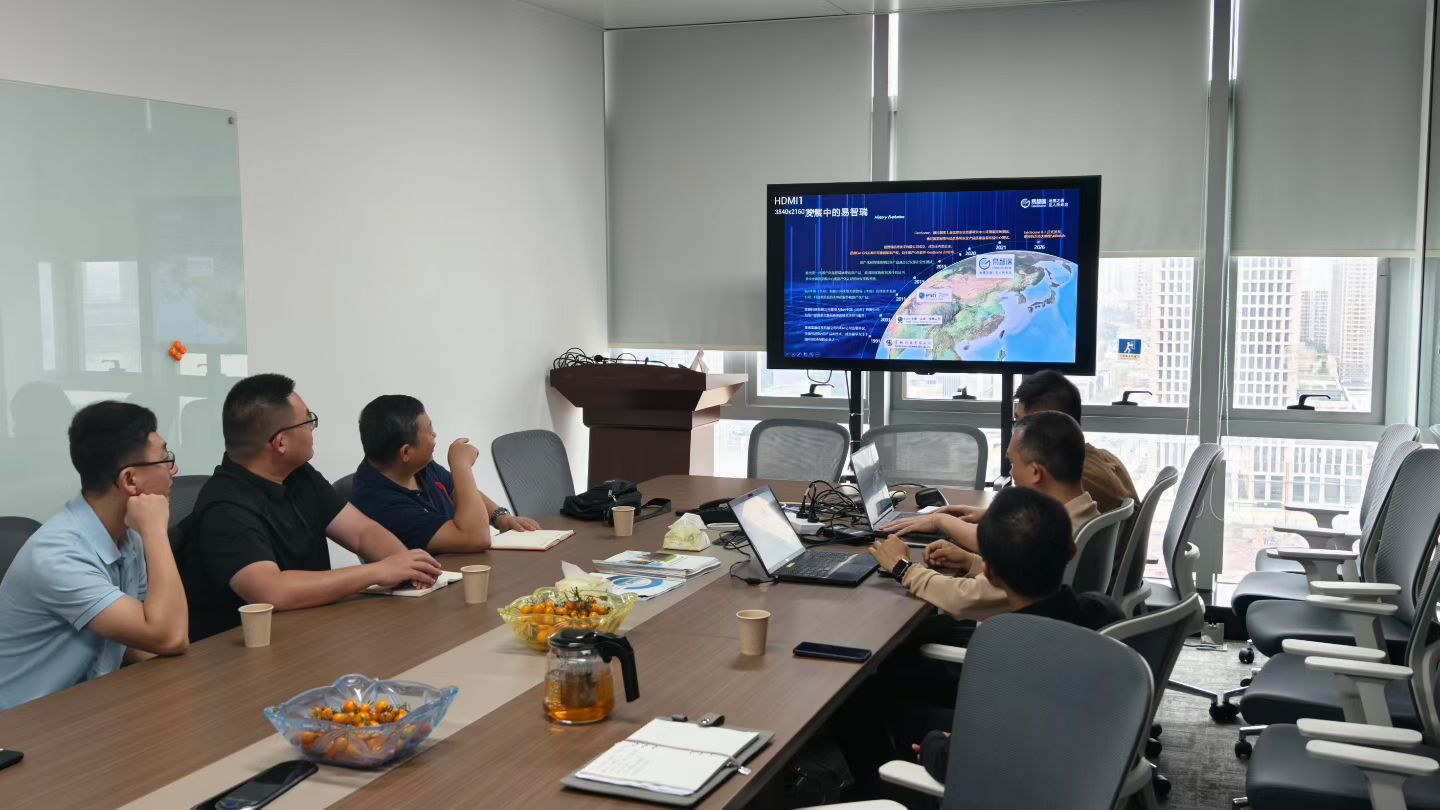
Visited the Guangzhou team at Esri China to learn about its work in geographic information systems (GIS), spatial data, and industry applications.
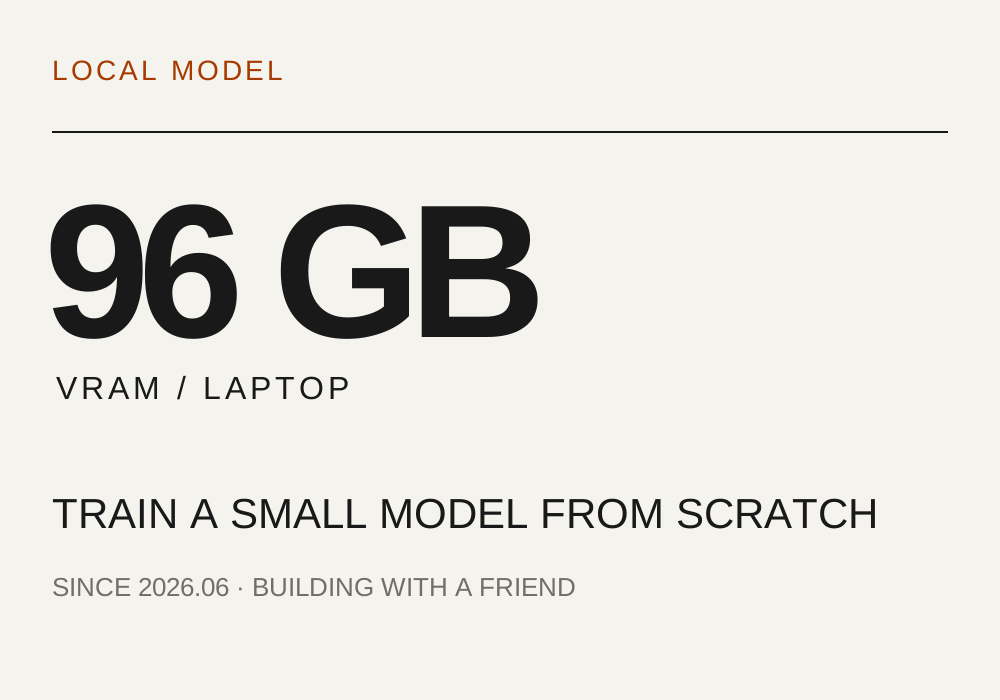
Since June 2026, a friend and I have been training a small model from scratch on a laptop with 96 GB of VRAM.
I want to experience the model-training process firsthand and understand how a model learns from data.
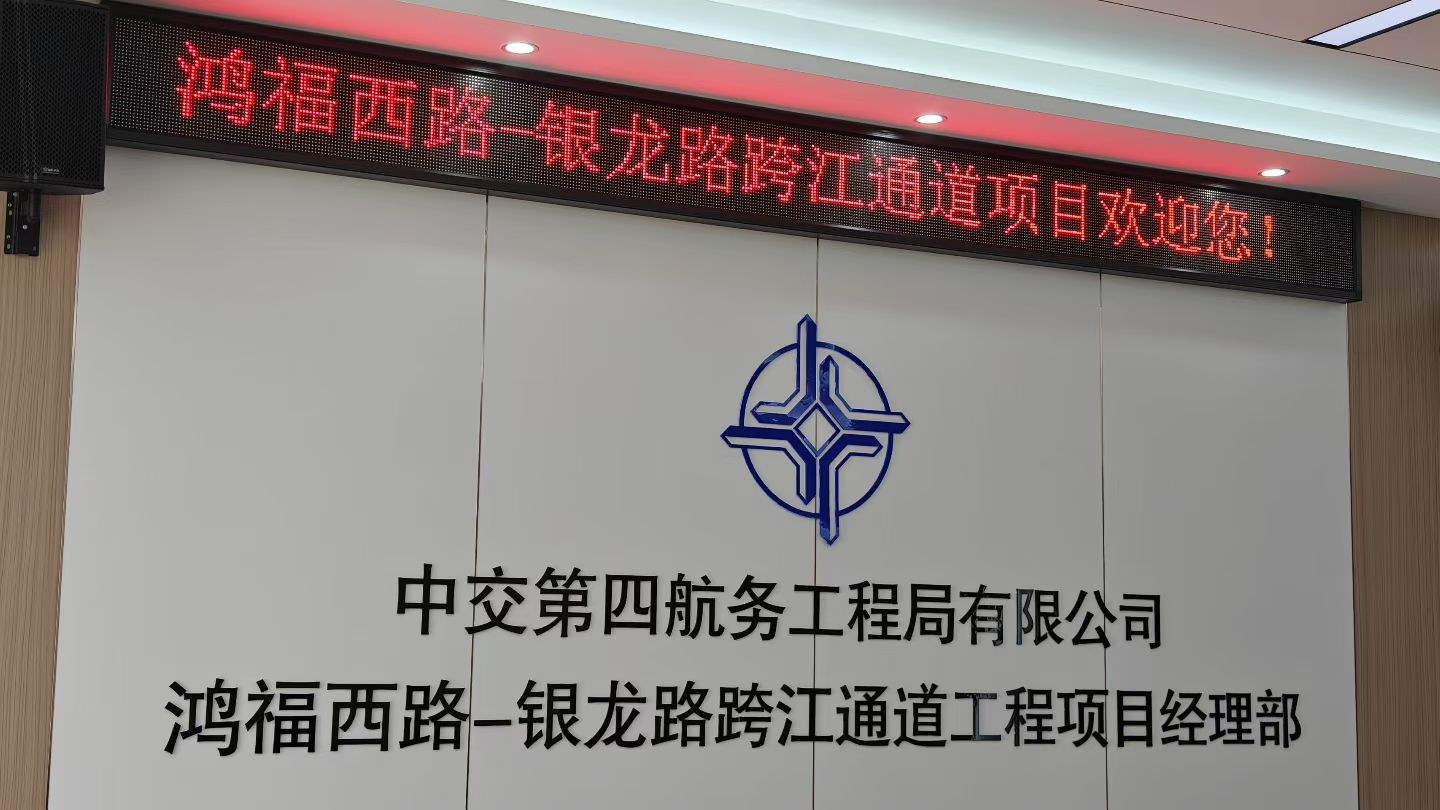
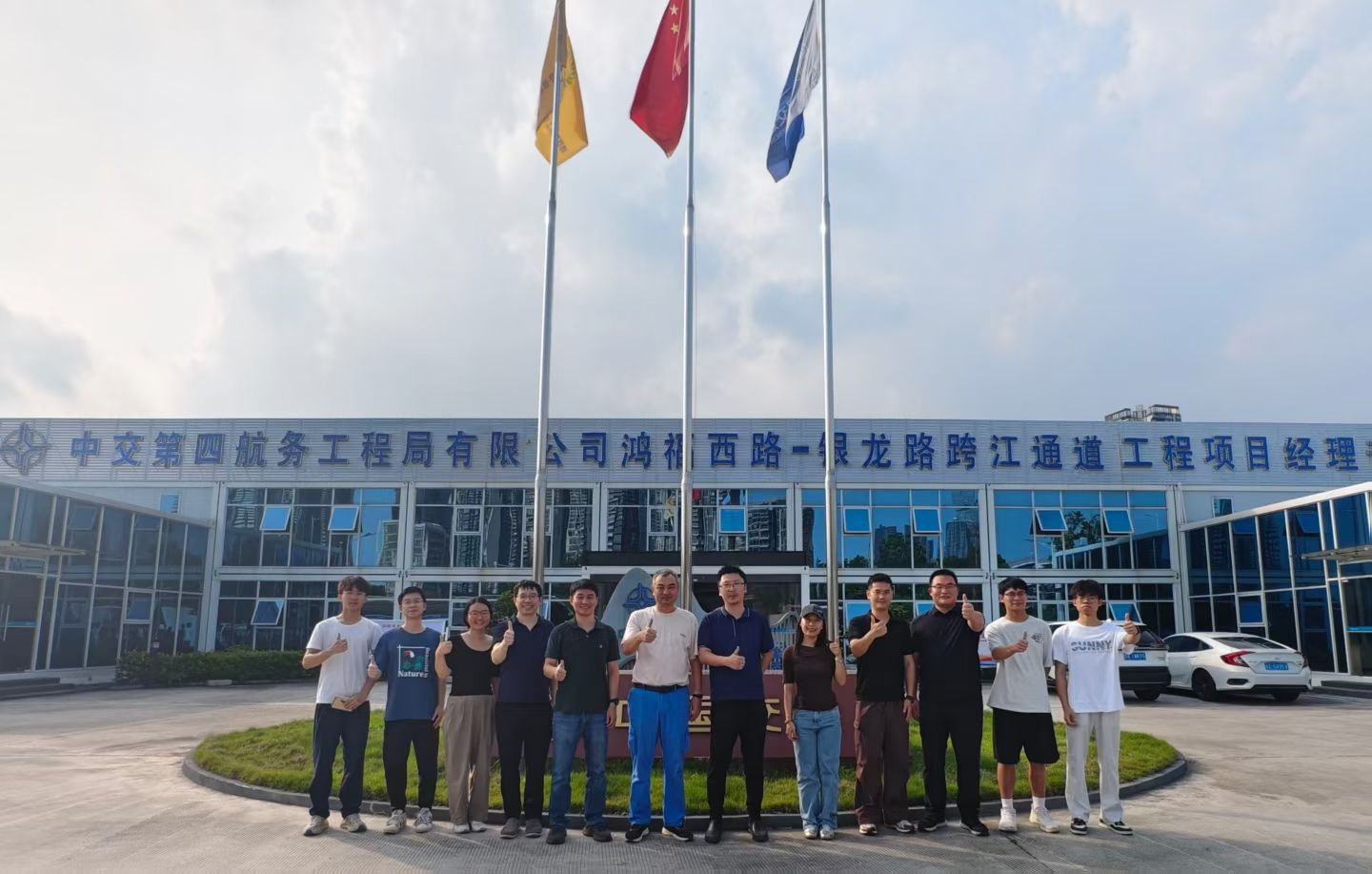
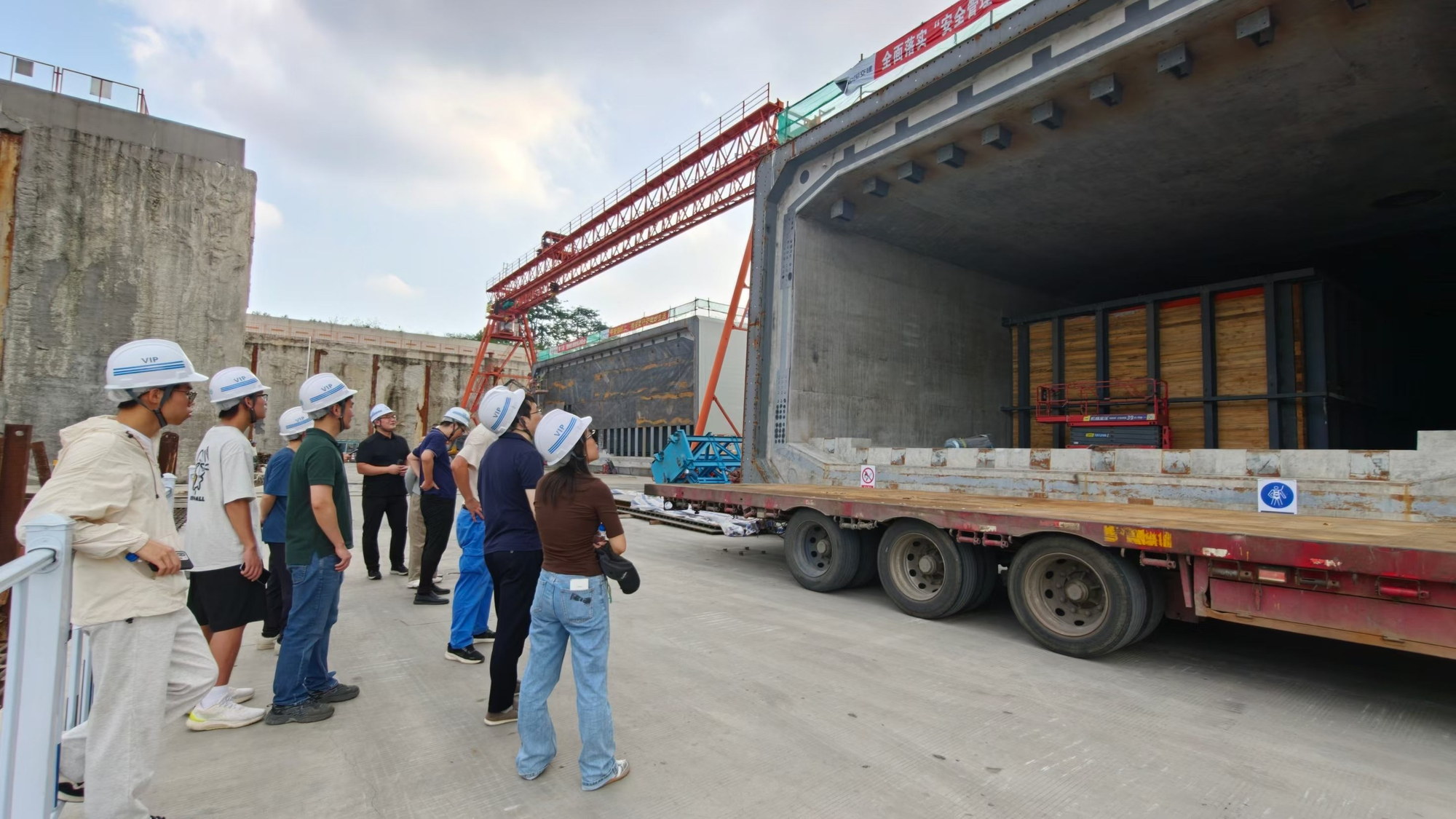
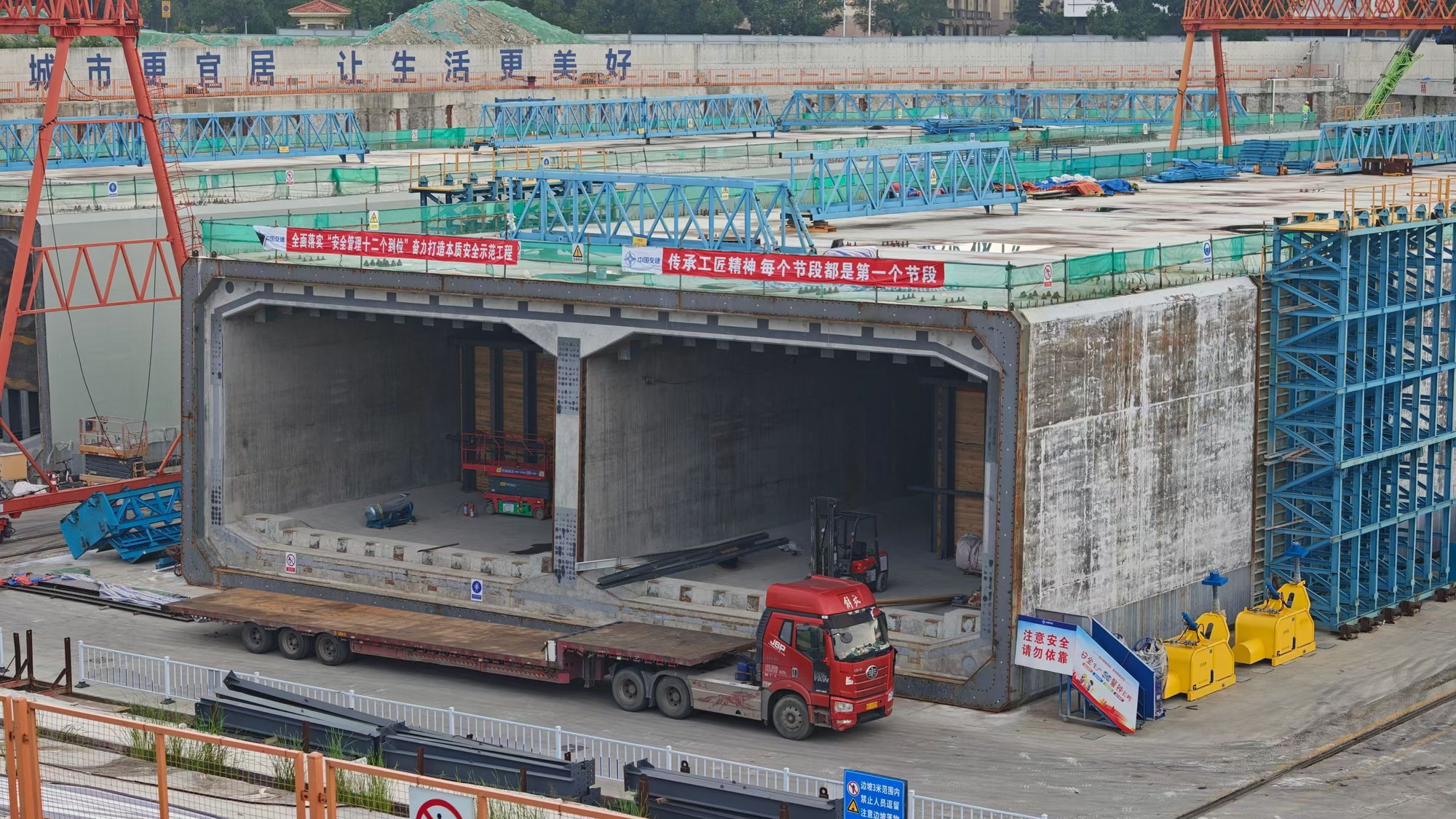
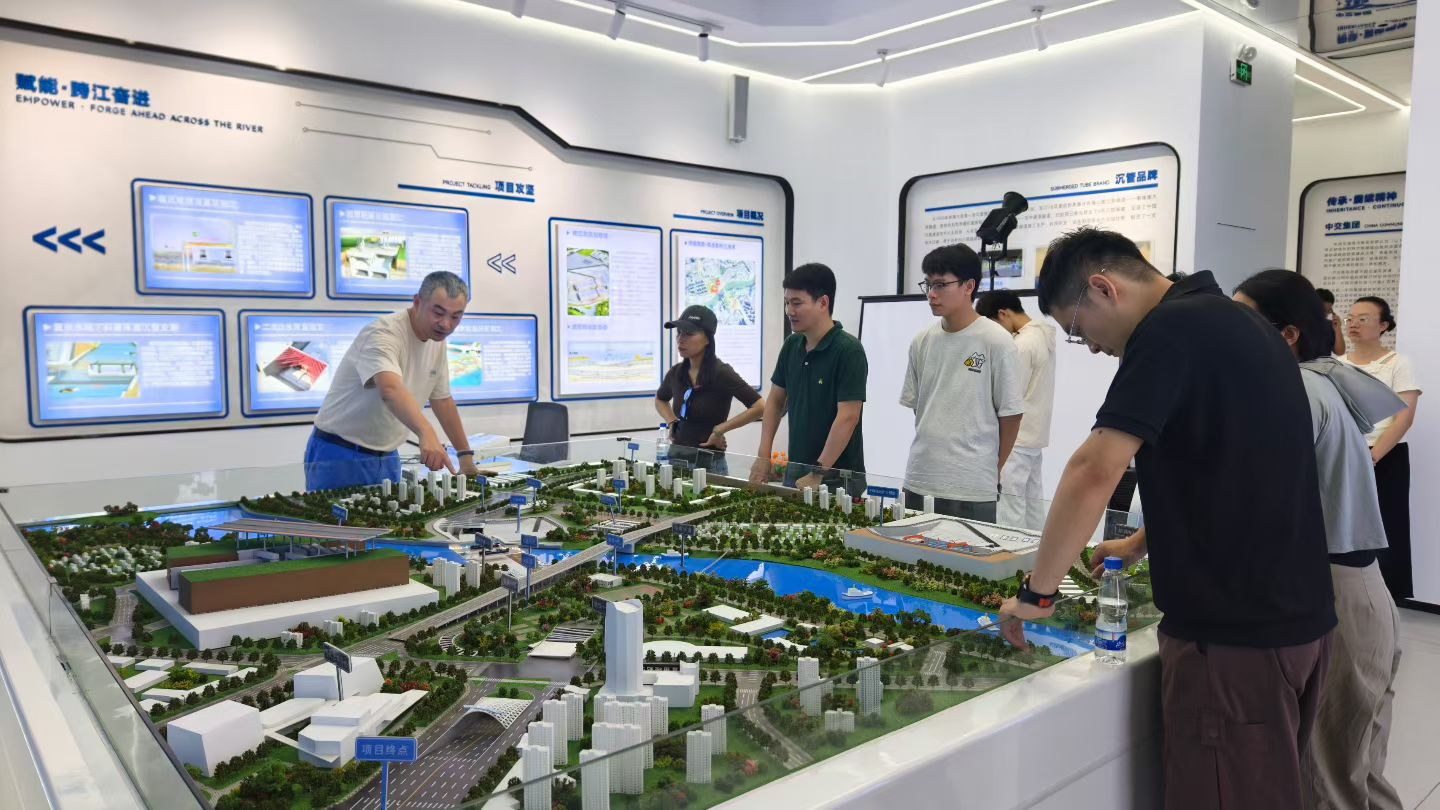
Visited the Hongfu West Road–Yinlong Road River-Crossing Project Office to learn about transportation infrastructure through an active engineering project.
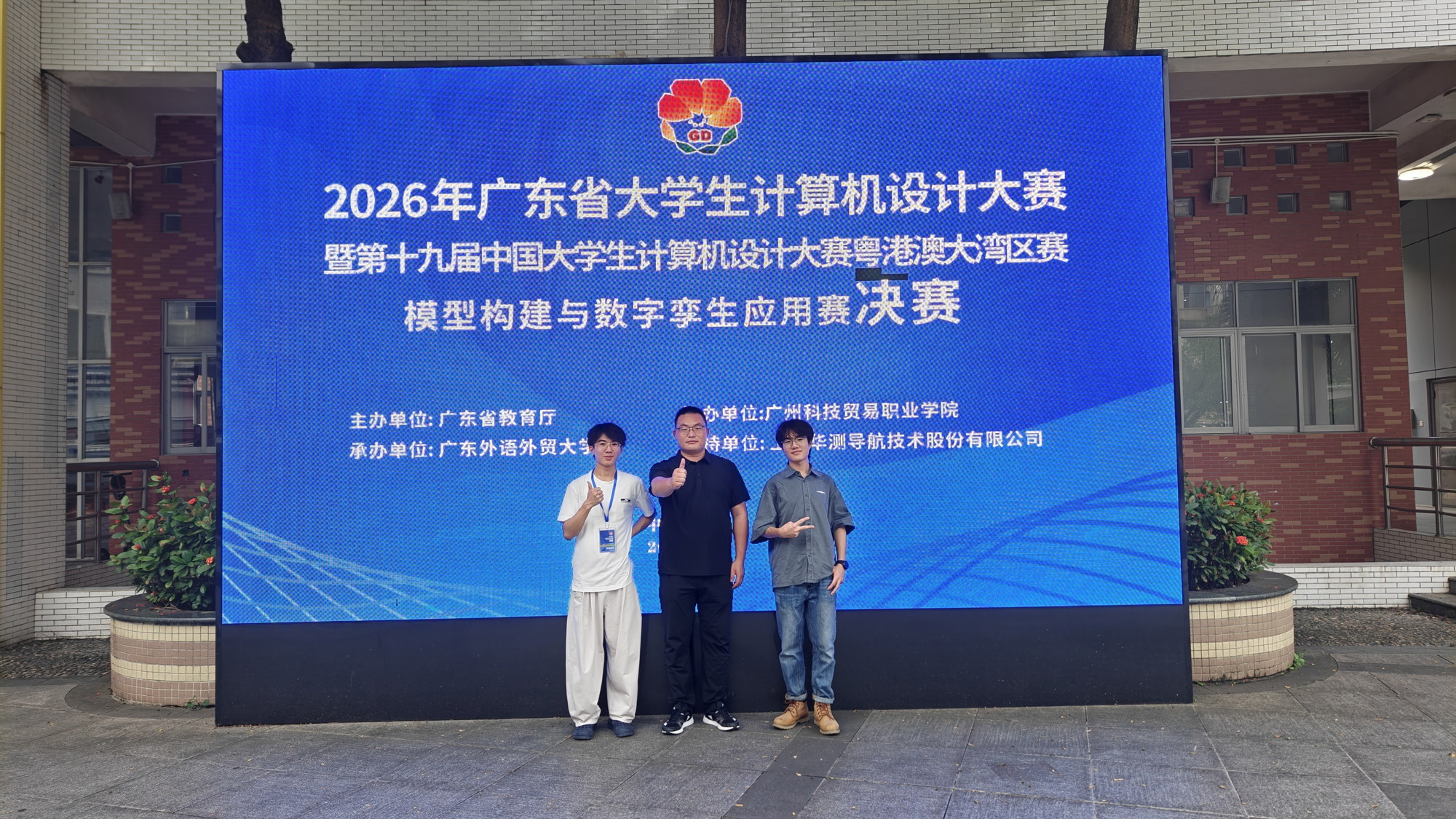
This competition focuses on real-world data capture, data processing, 3D model construction, and digital twin applications, turning physical settings into visual digital spaces.
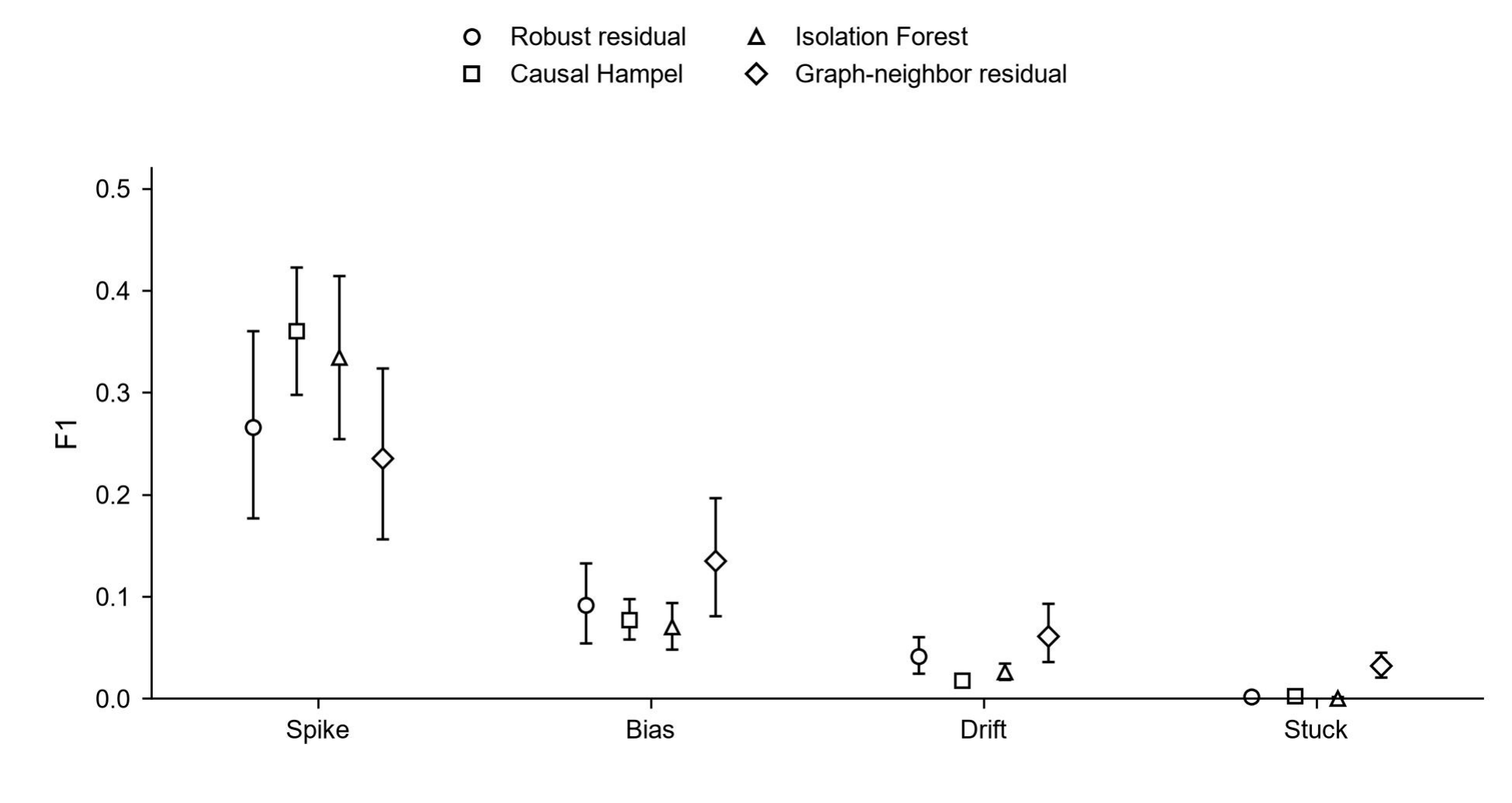
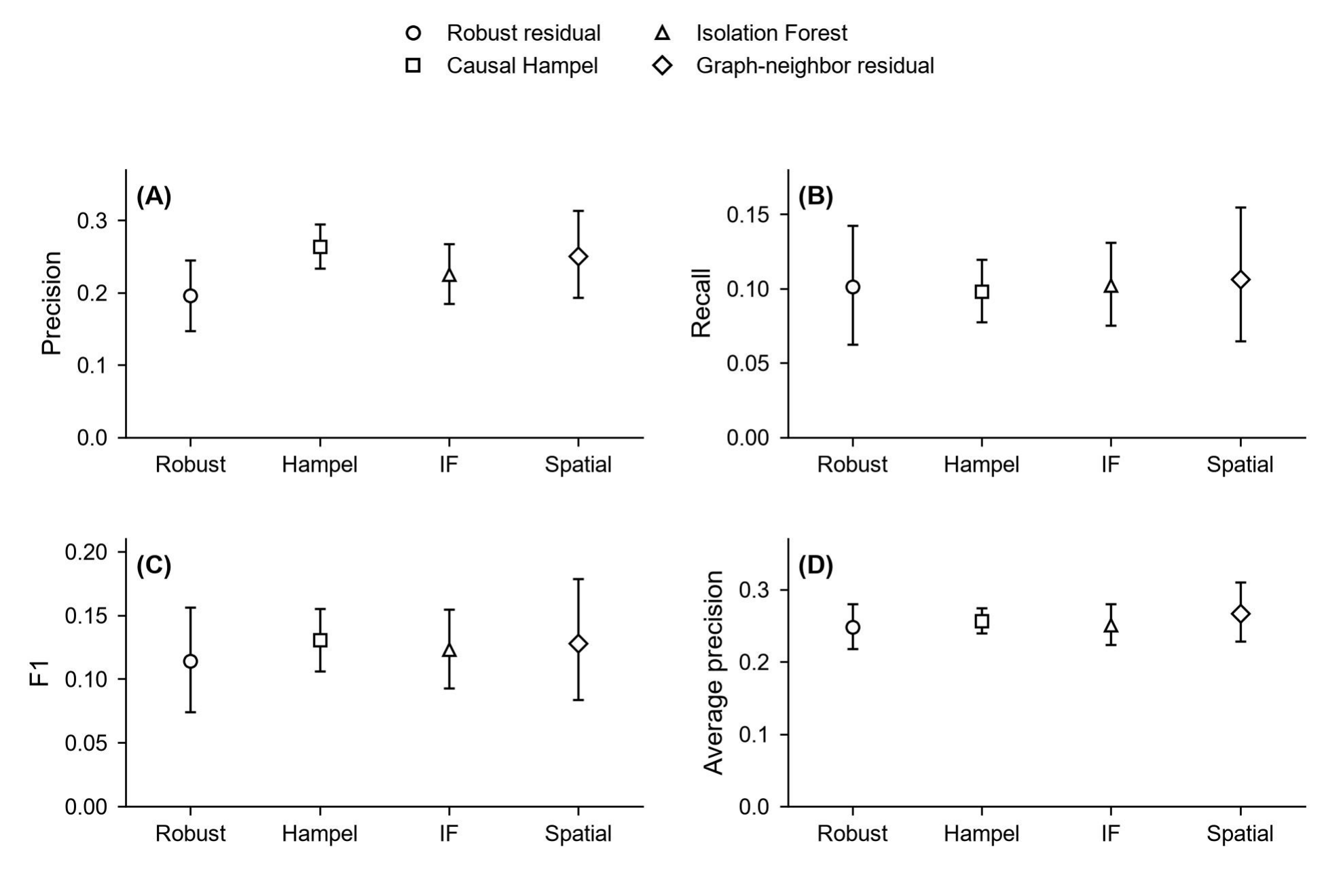
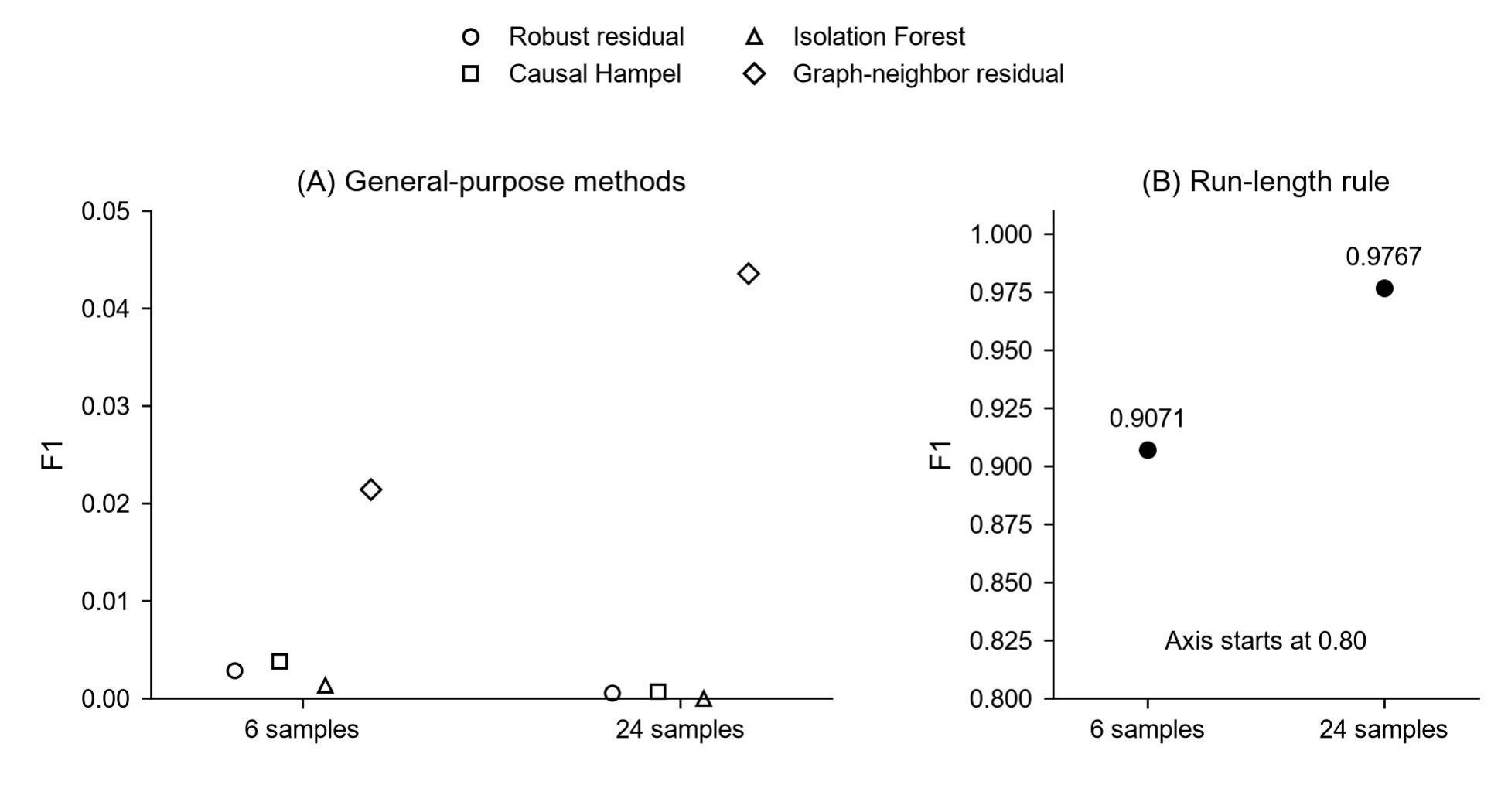
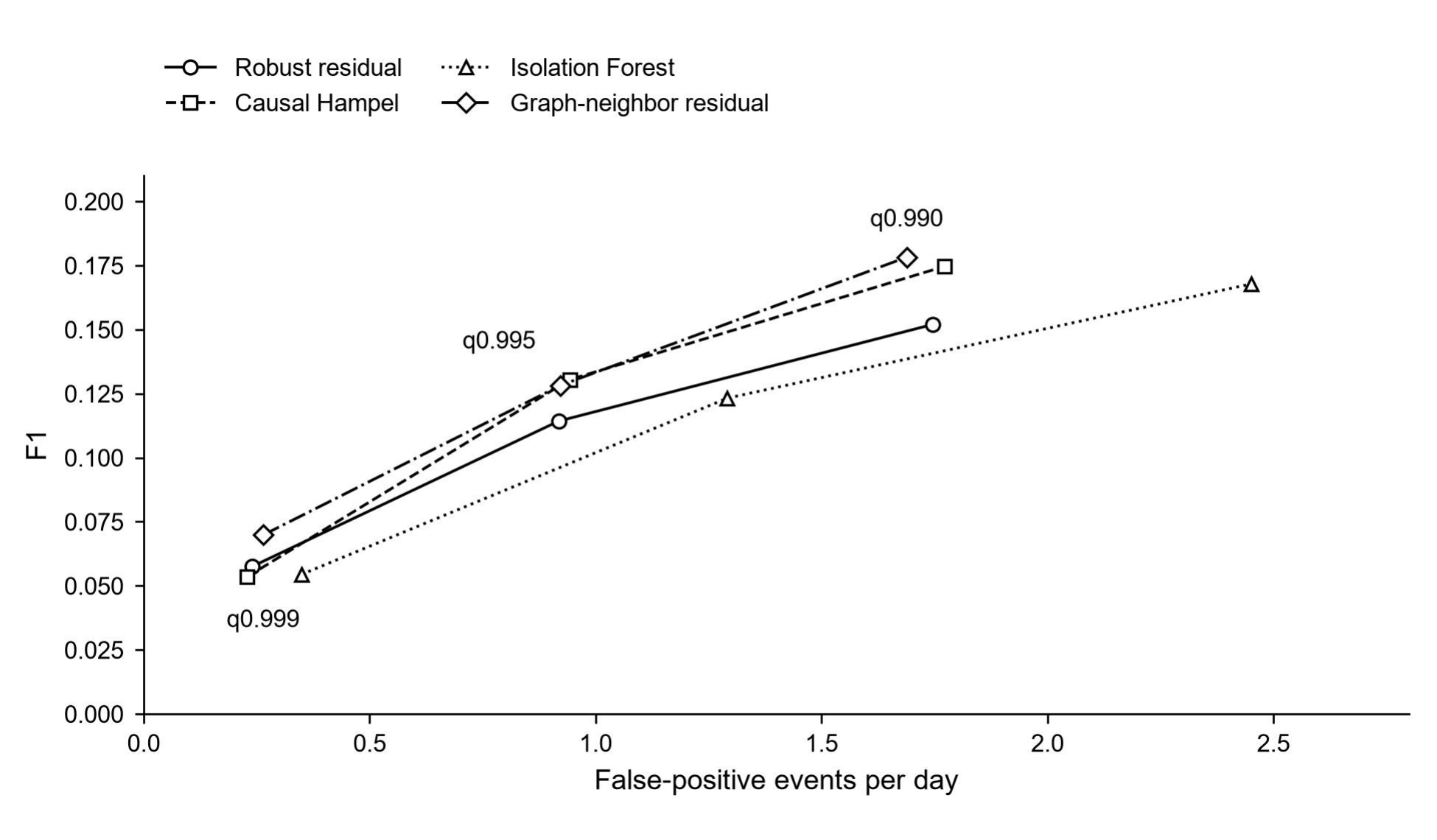
Using the METR-LA traffic-speed dataset, first checking data validity, then comparing anomaly-detection methods across a fixed set of 30 sensors to study their performance on spikes, shifts, drifts, and stuck readings.
The research examines where different methods apply and how to distinguish data anomalies from real traffic conditions. The manuscript is under submission, and these figures come from the current draft. Anomalies in controlled experiments should not be assumed to represent equipment failures.
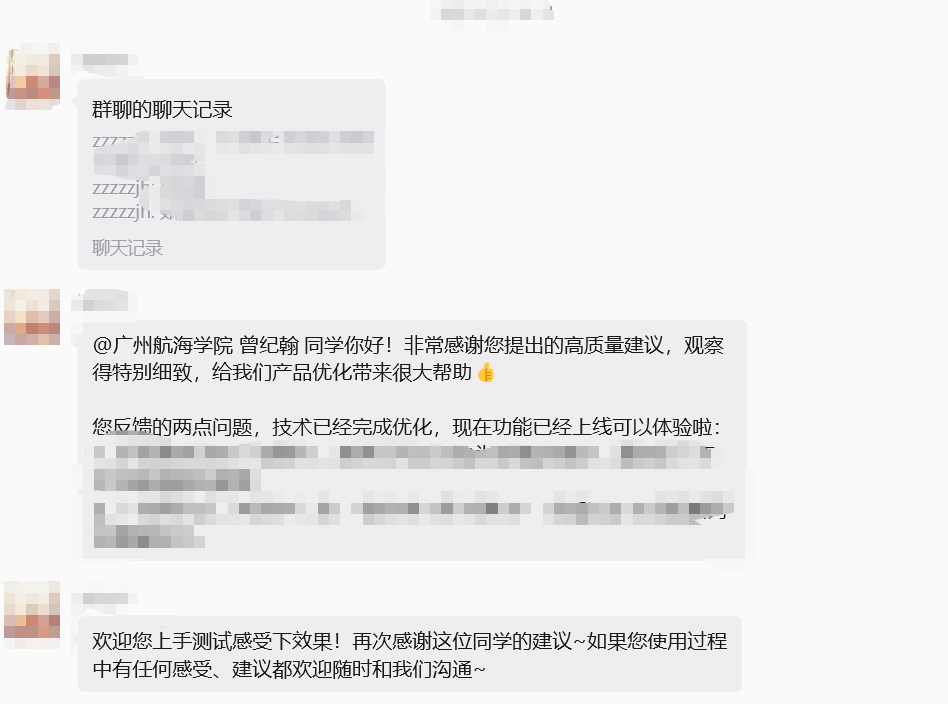
Since September 2026, participating in the beta test of China Mobile Guangdong’s campus AI product, Guangyi Compute Beans, exploring how AI can support learning and campus life. I am still participating.
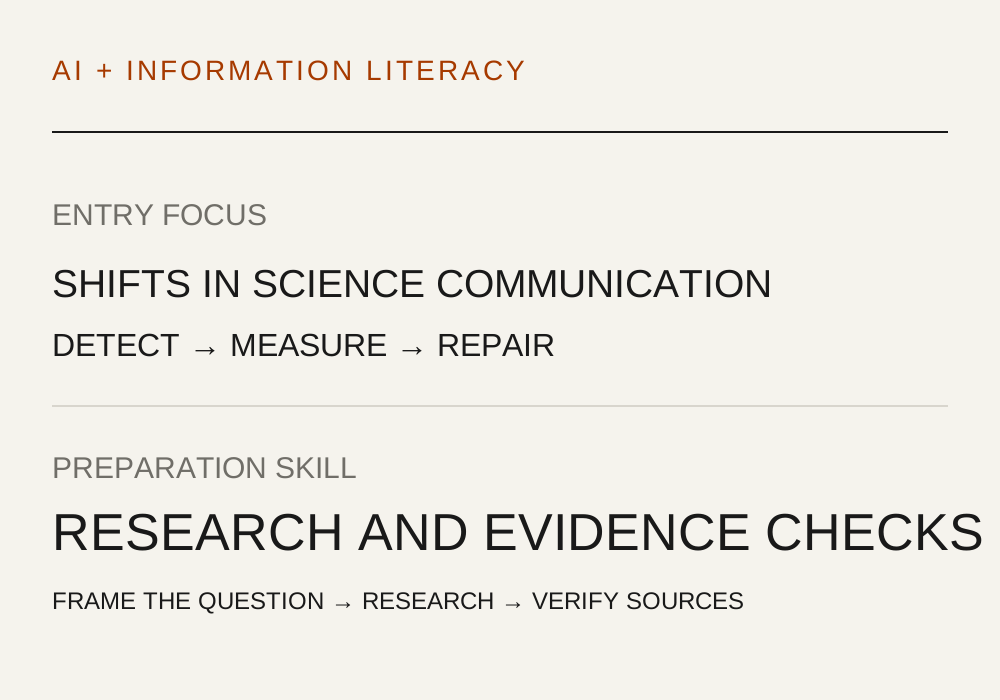
I am competing in the 2026 College Student “AI + Information Literacy” Competition in the Guangdong Division (undergraduate and graduate tracks).
Entry focus · Detects shifts in how scientific concepts are communicated, then quantifies and helps repair them.
Competition Research Skill · Turns problem framing, source research, and evidence checks into a reusable workflow, drawing on a local question bank and browser when needed.
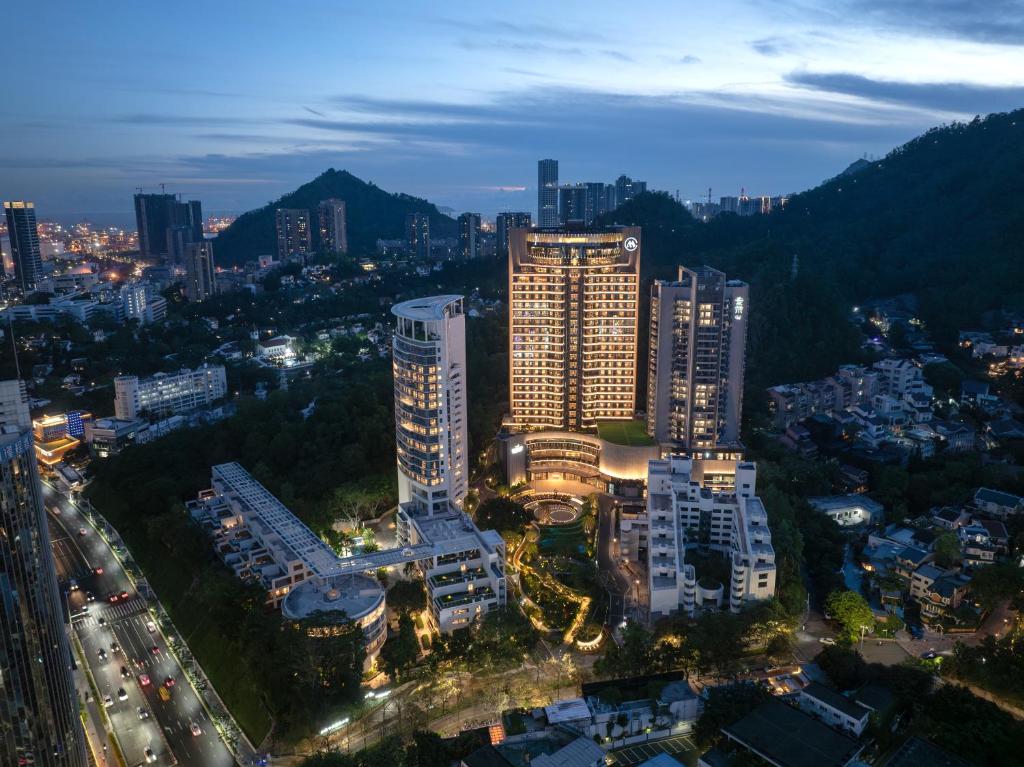
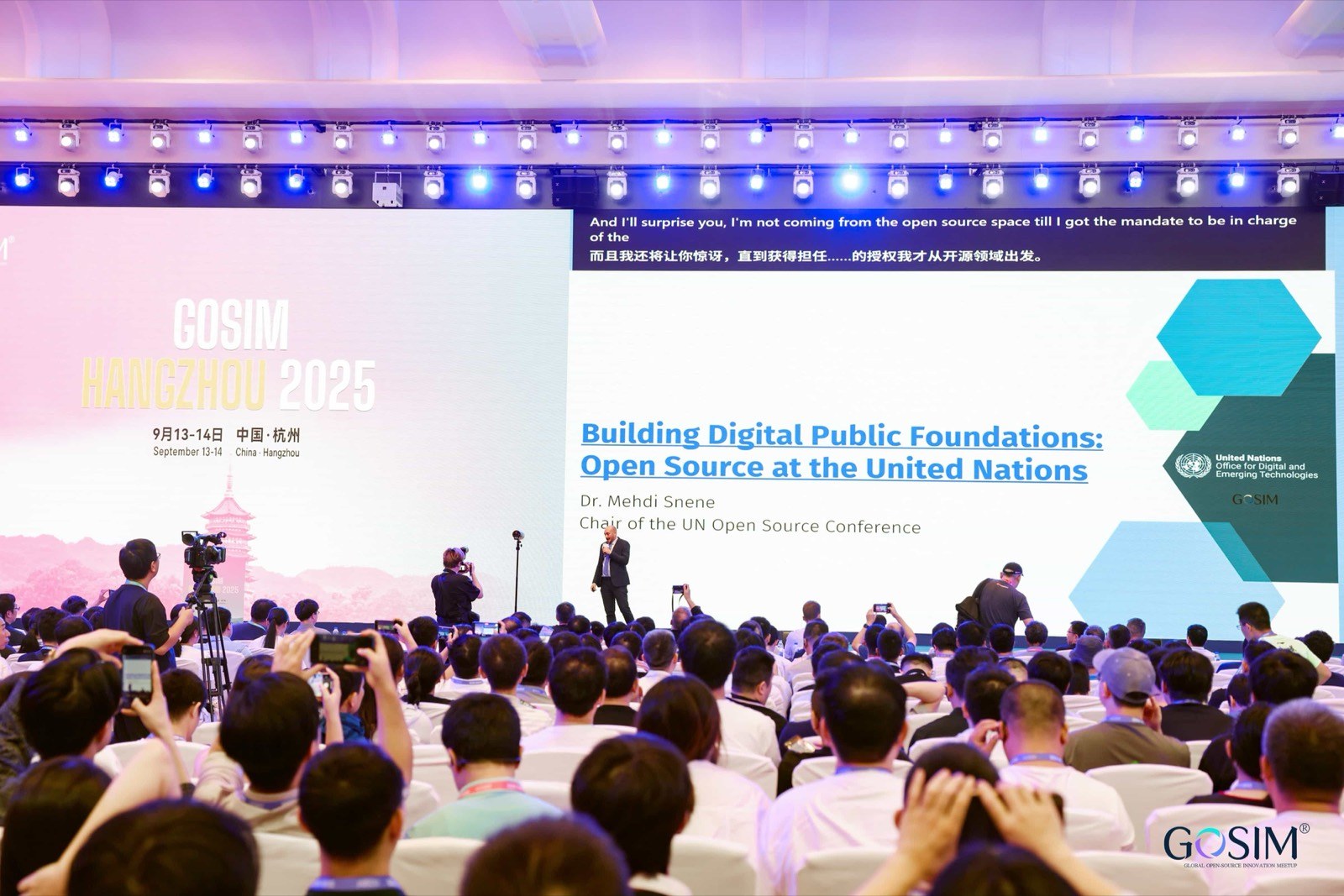
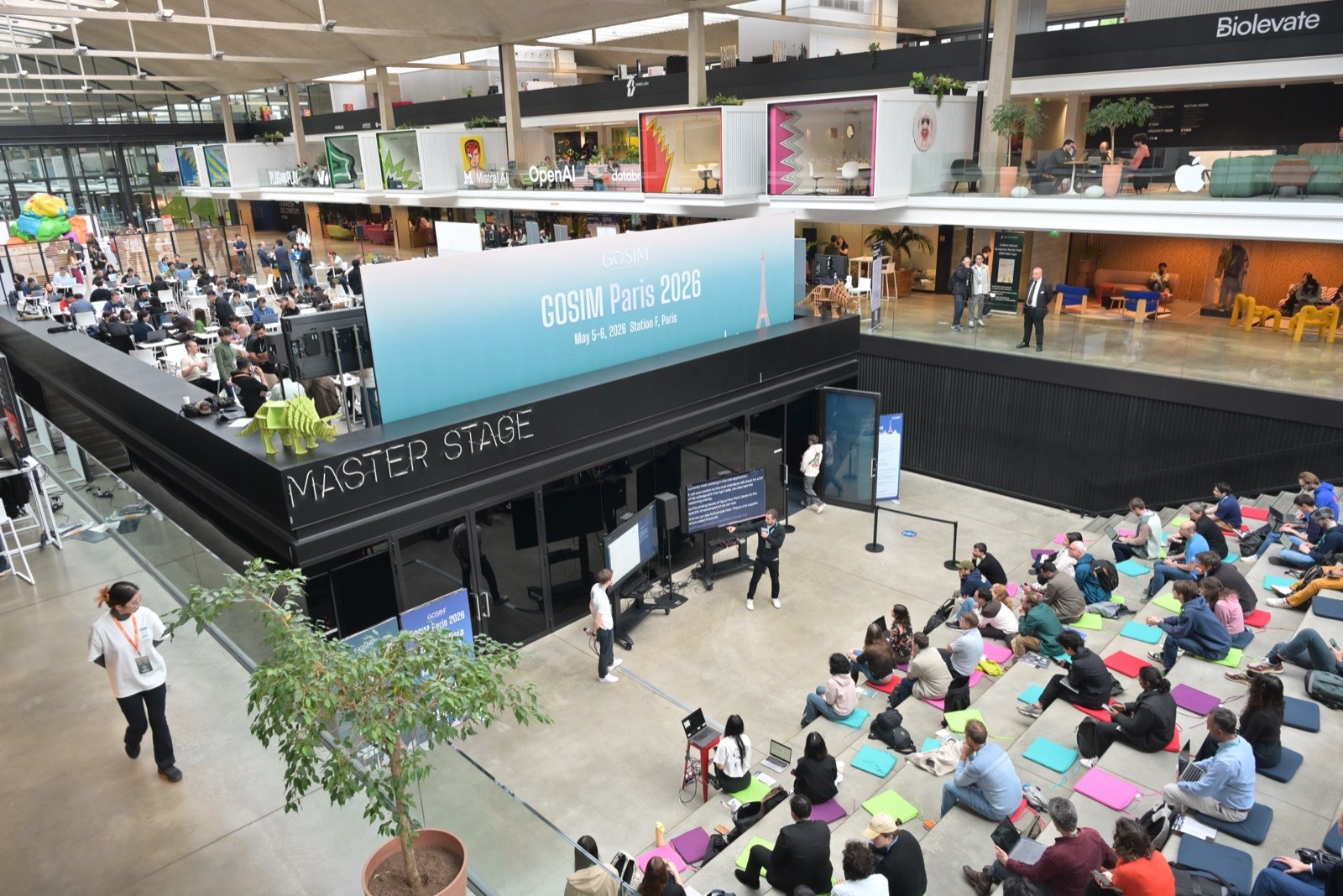
GOSIM is a technology gathering organized by the open-source community. The 2026 Shenzhen edition focuses on open-source AI, agents, robotics, models, and developer infrastructure, with talks, workshops, and project showcases.
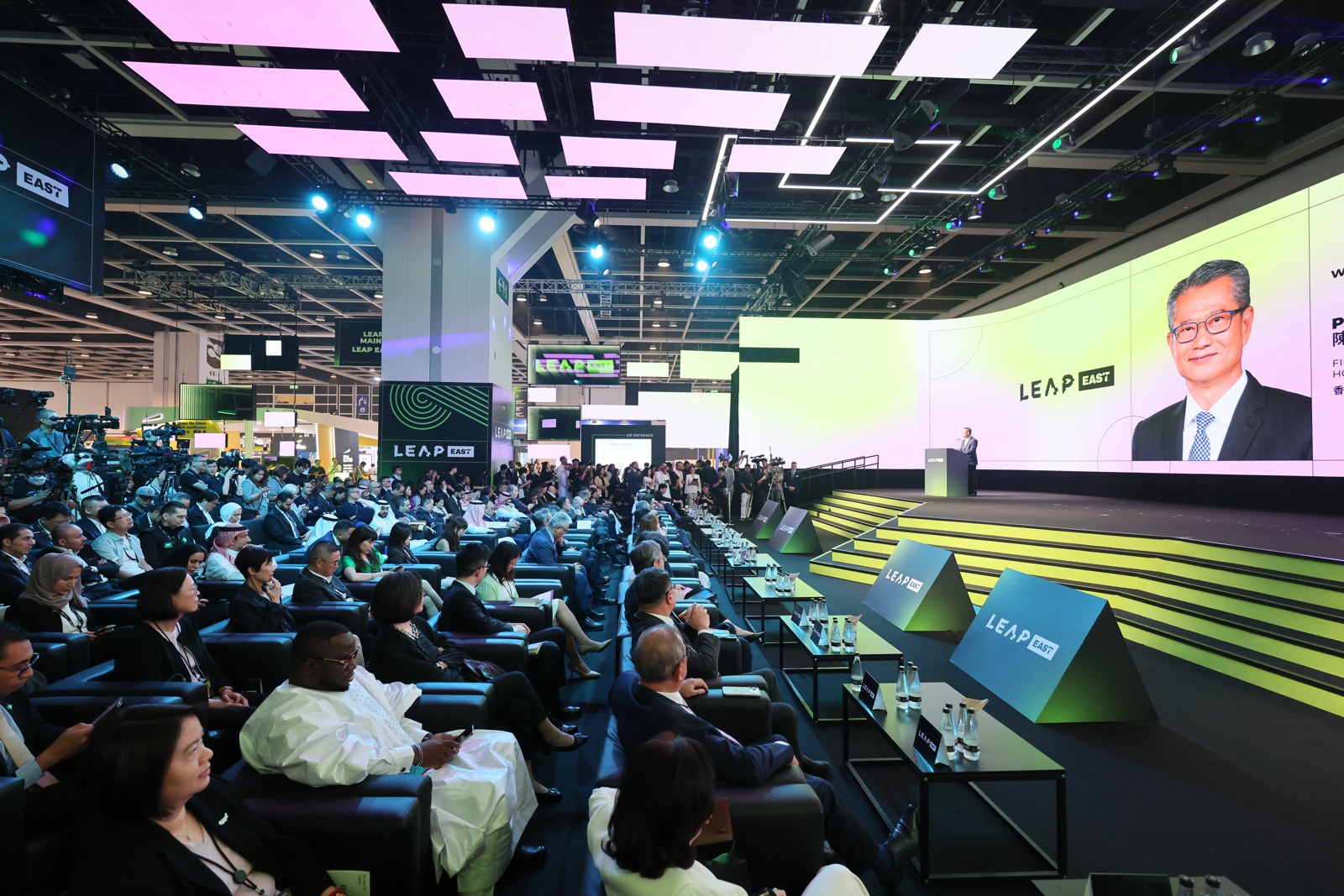
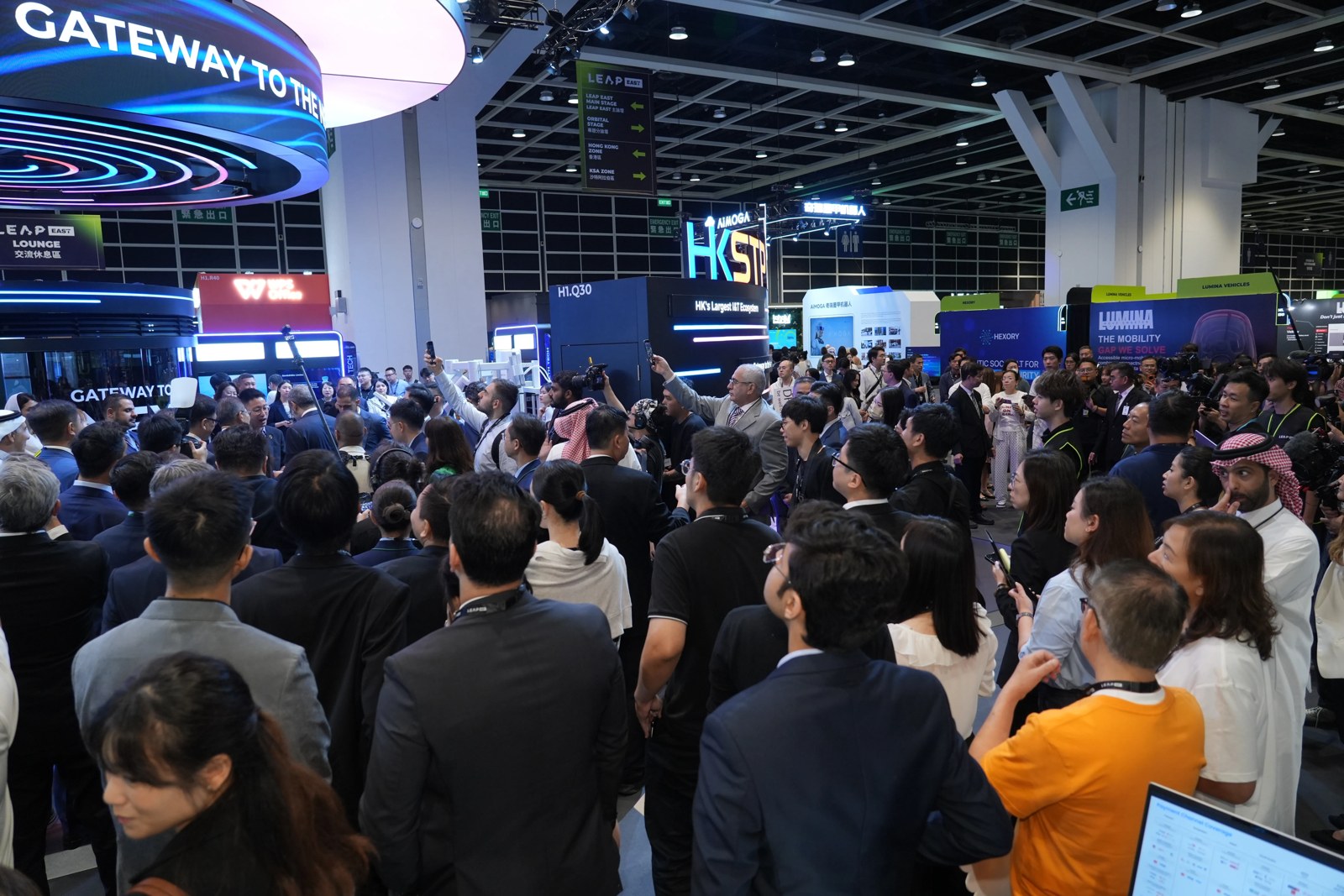
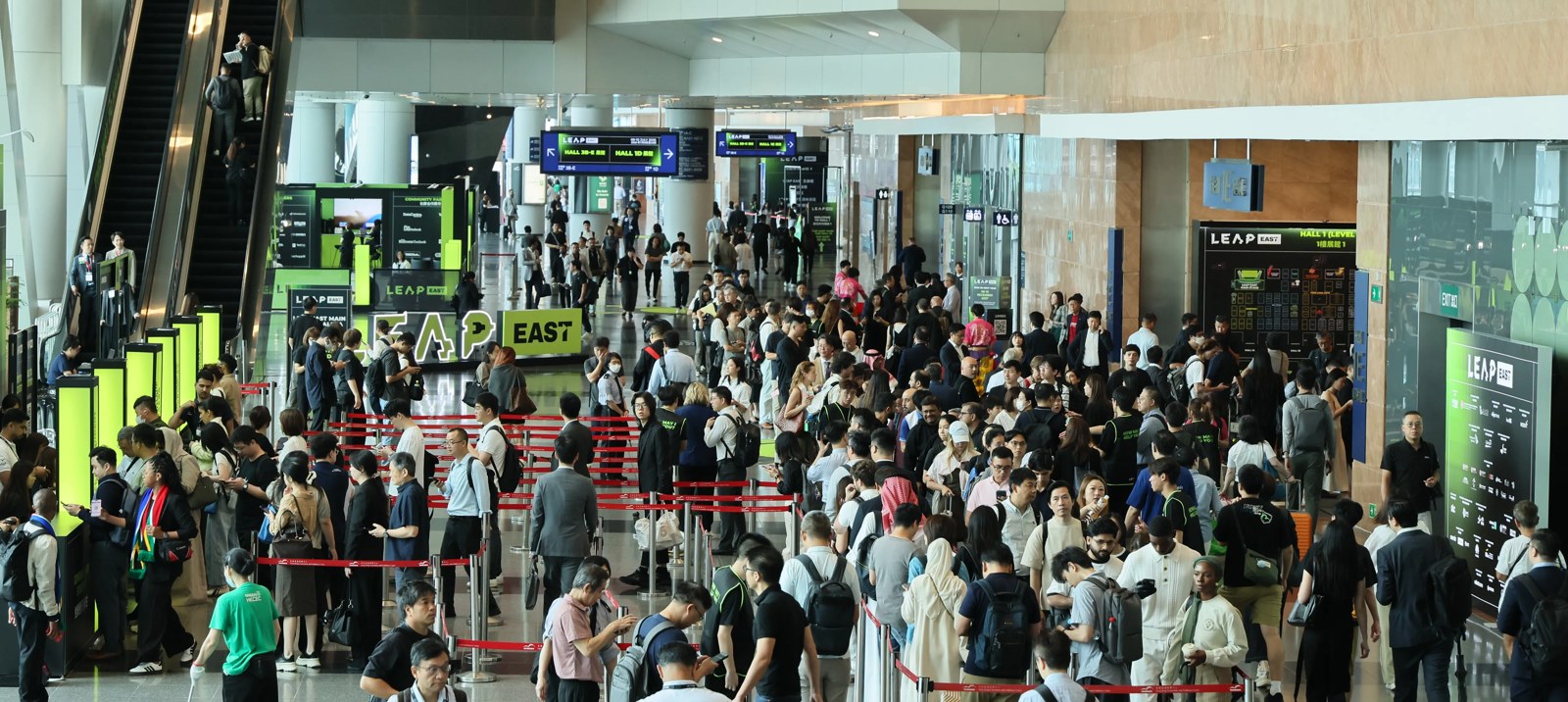
Planning to attend LEAP East at the Hong Kong Convention and Exhibition Centre on December 8–10, 2027, to explore technology products, industry applications, and cross-disciplinary exchange. Images shown are official materials from previous editions.
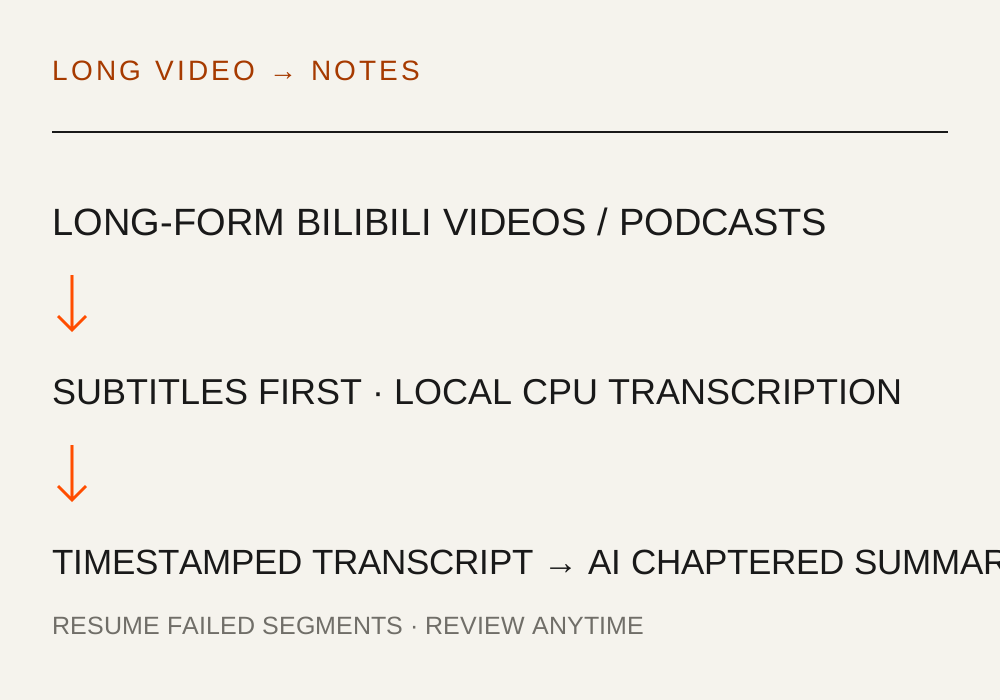
One of the most representative things among the many little things I’ve cobbled together.
Reuse available subtitles first. If none are available, run speech recognition locally on CPU, create a timestamped transcript, and use AI to summarize it by section for long Bilibili videos and podcasts.
Progress is saved segment by segment, so failed segments can be resumed.
Things I stopped
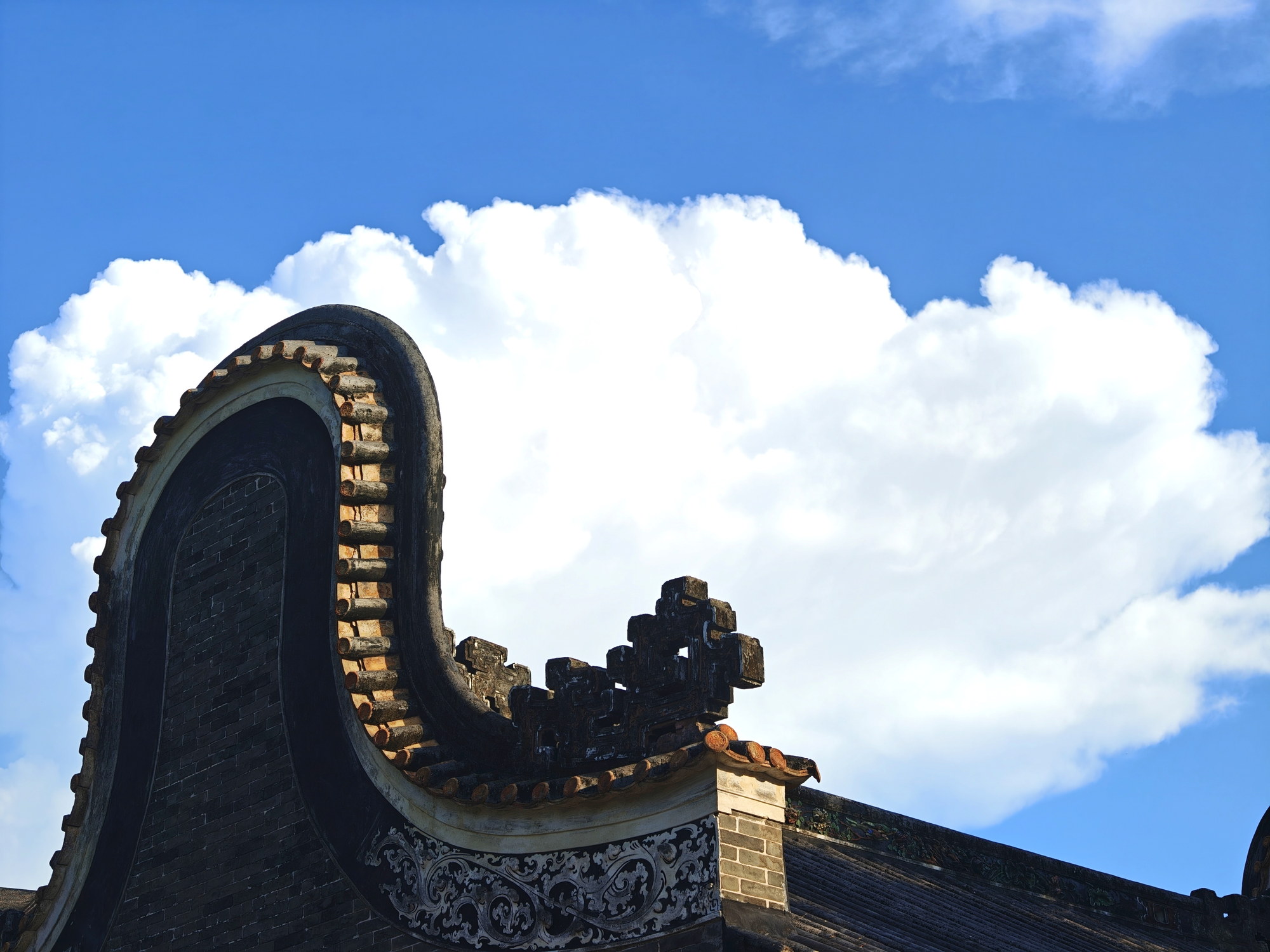
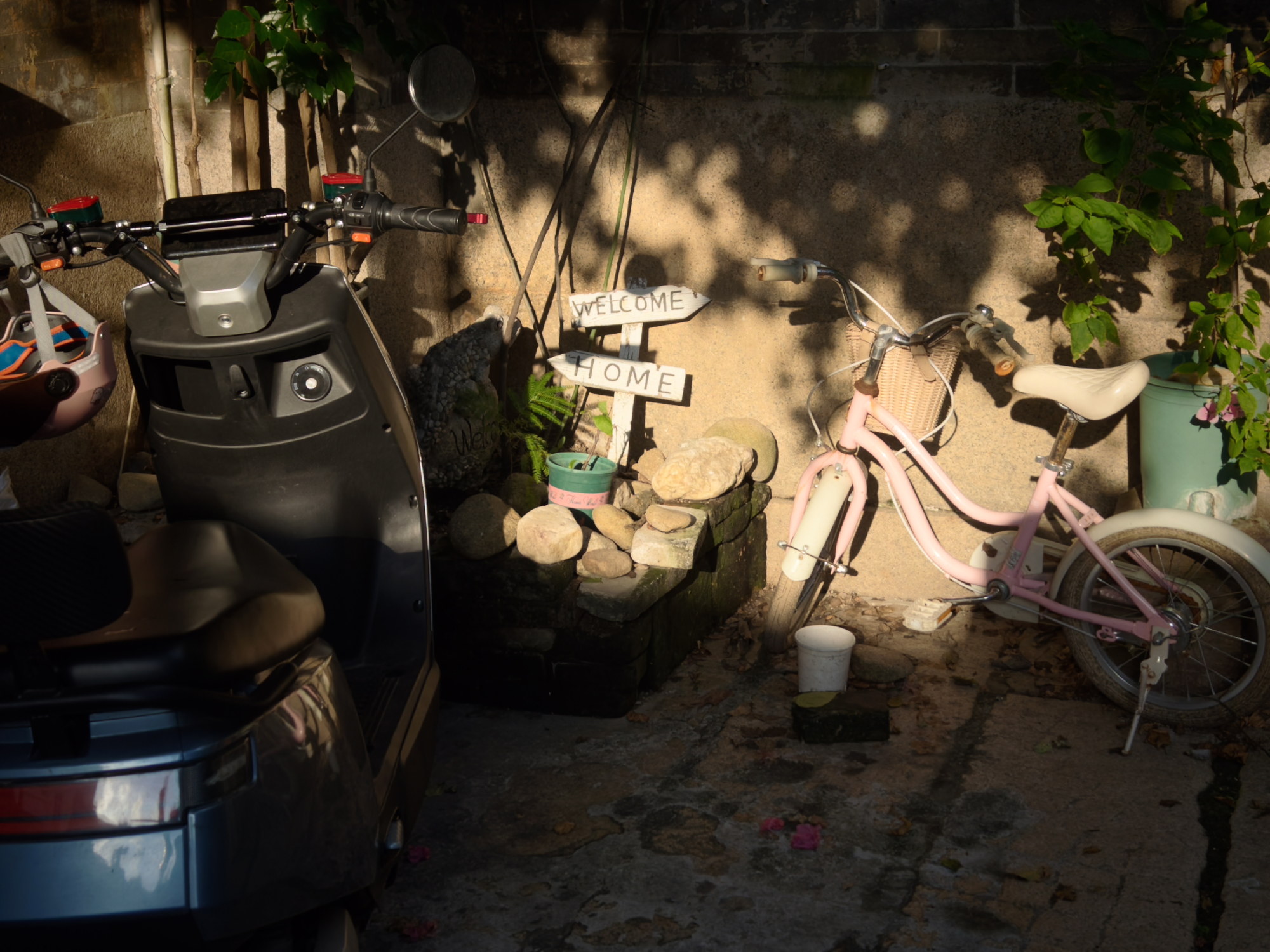
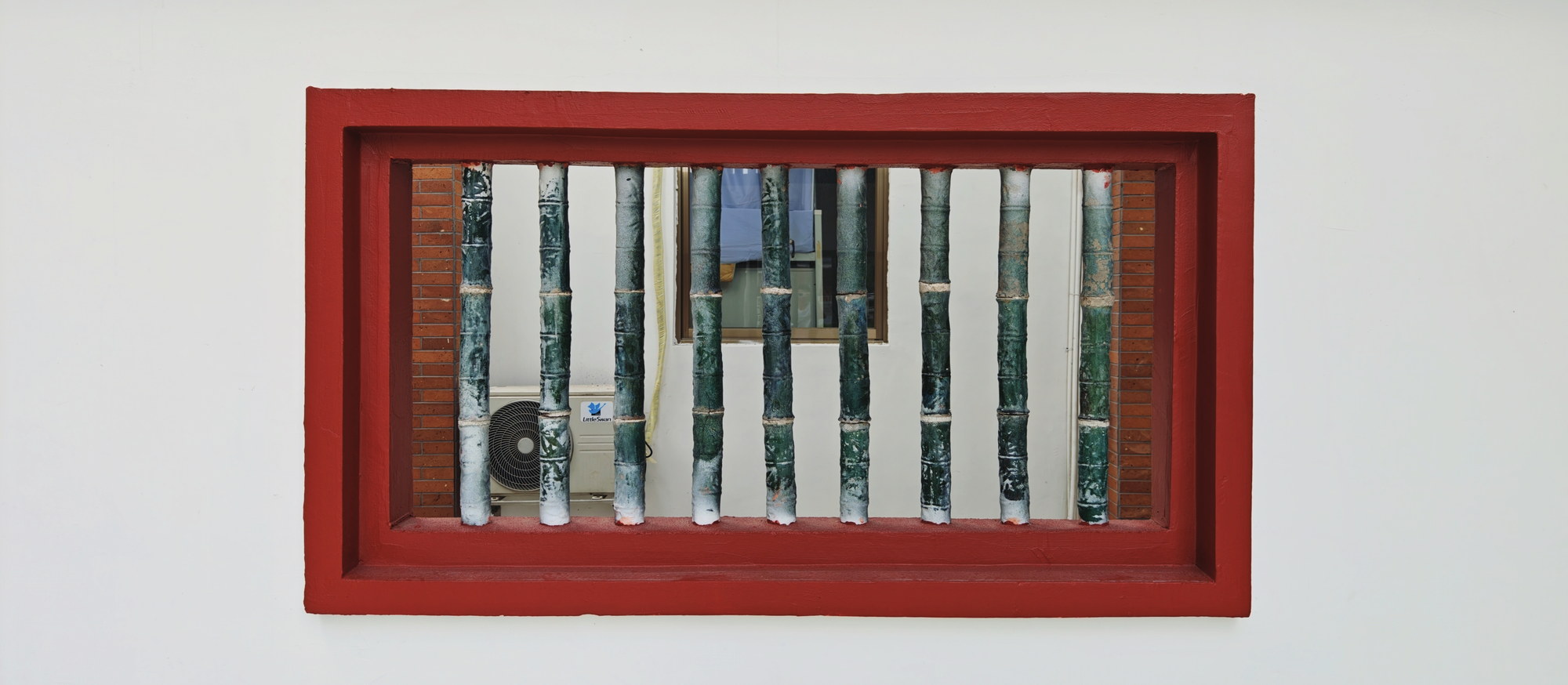
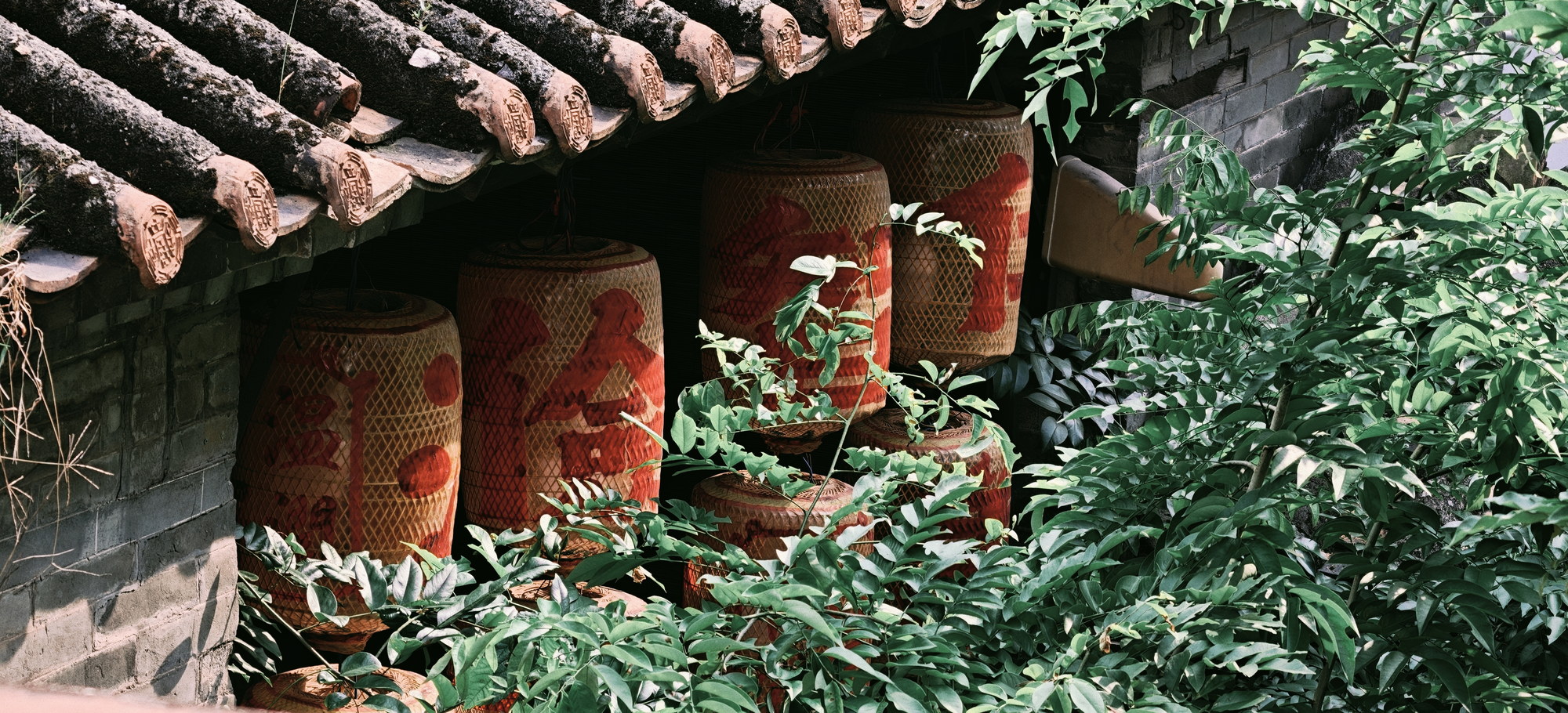
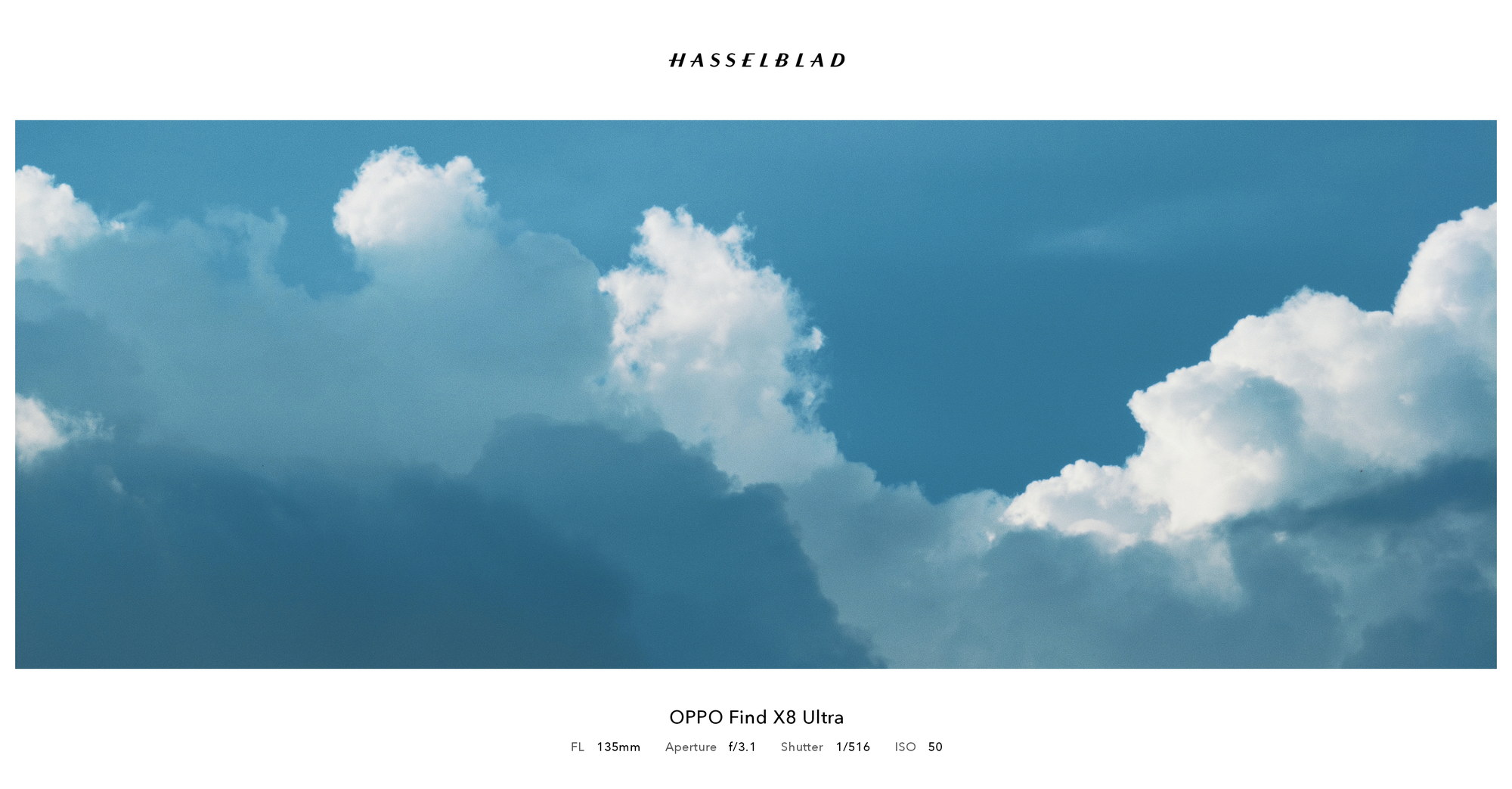
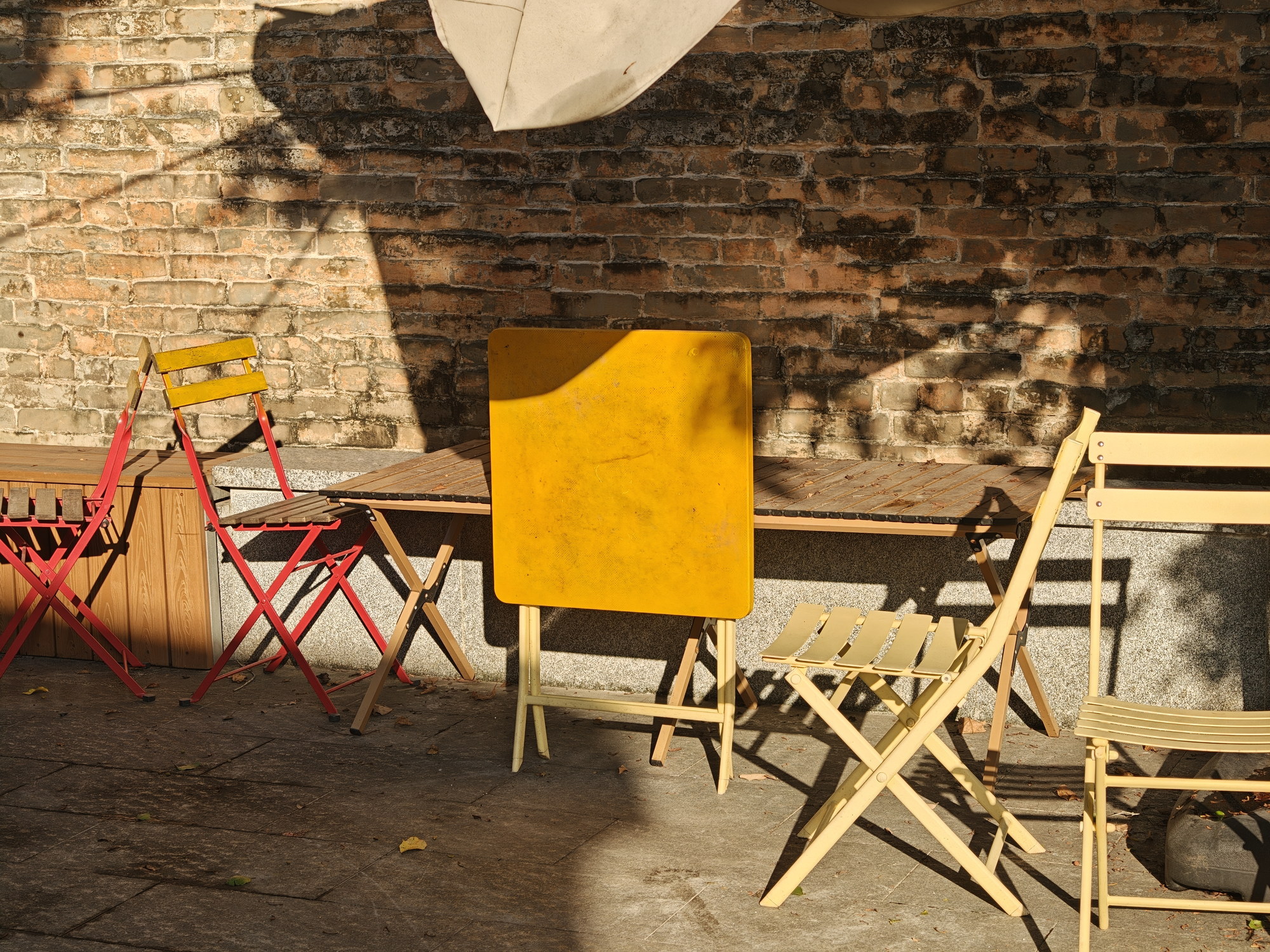
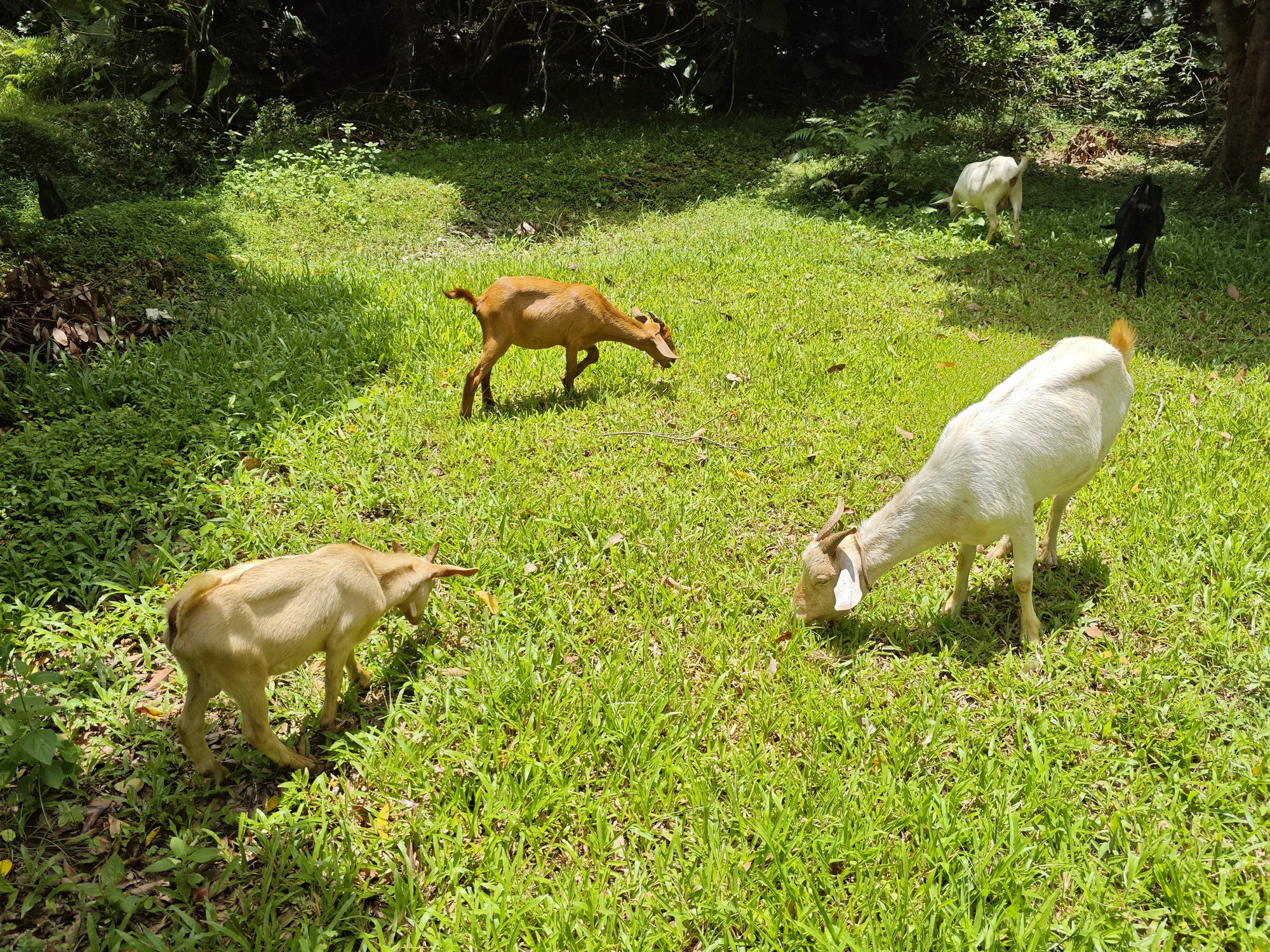
to look at.A collection of moments from journeys and everyday life worth pausing for.


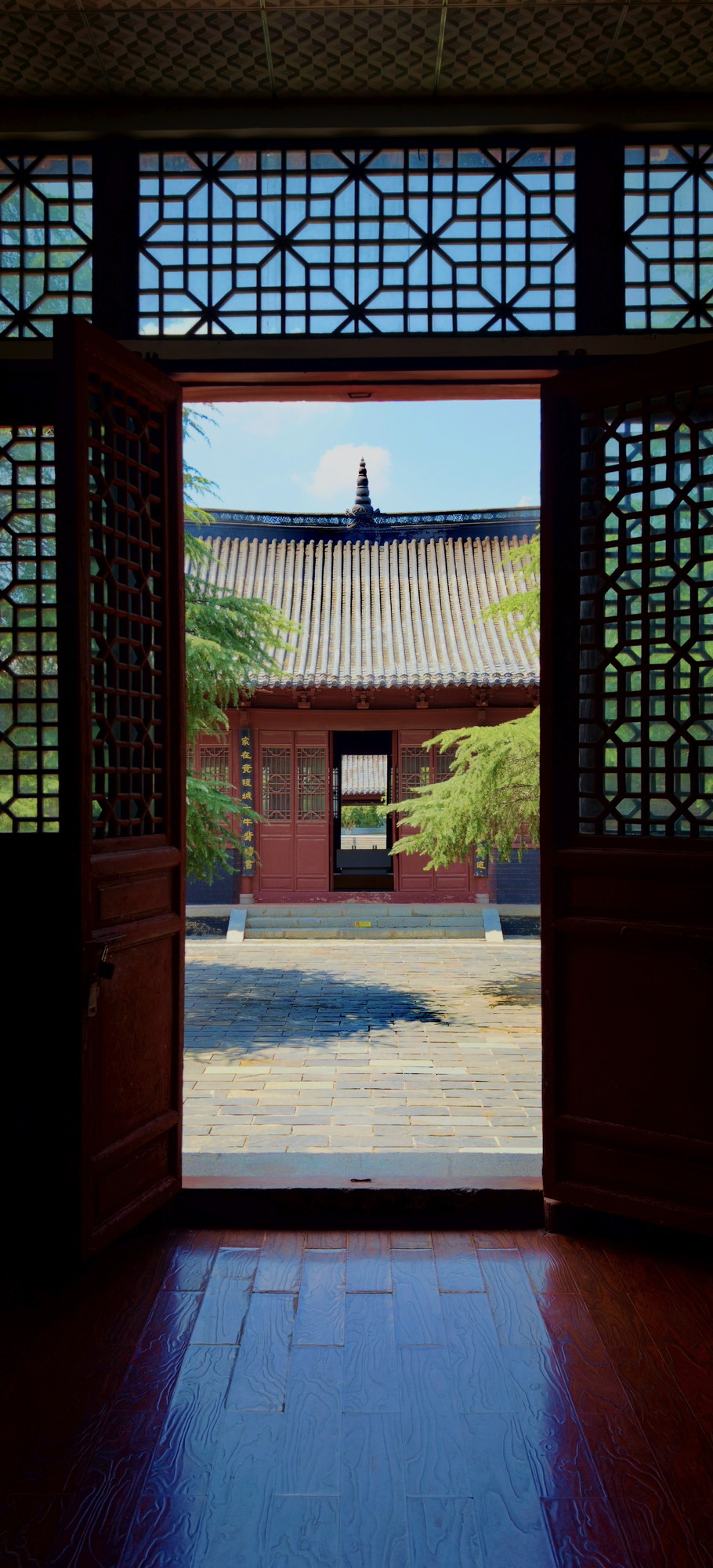
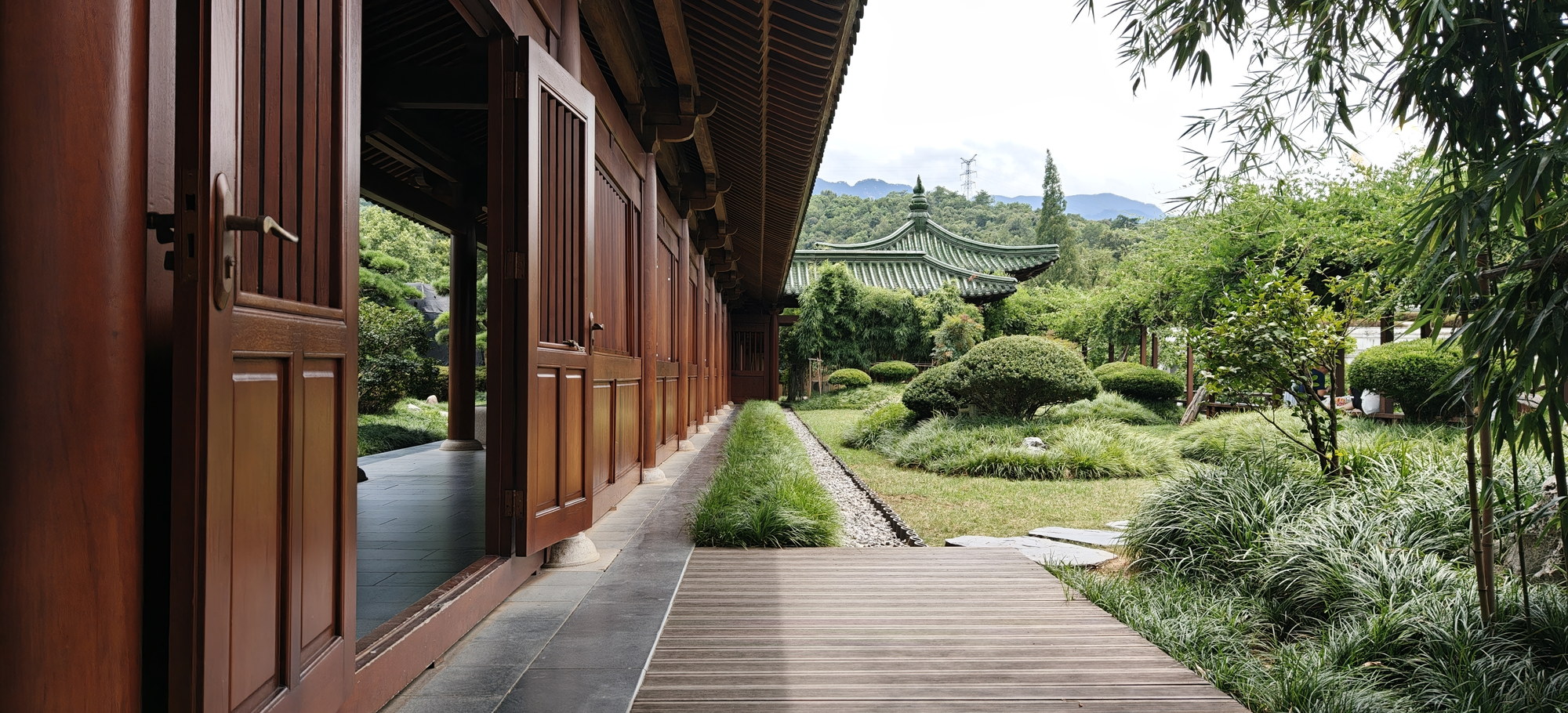


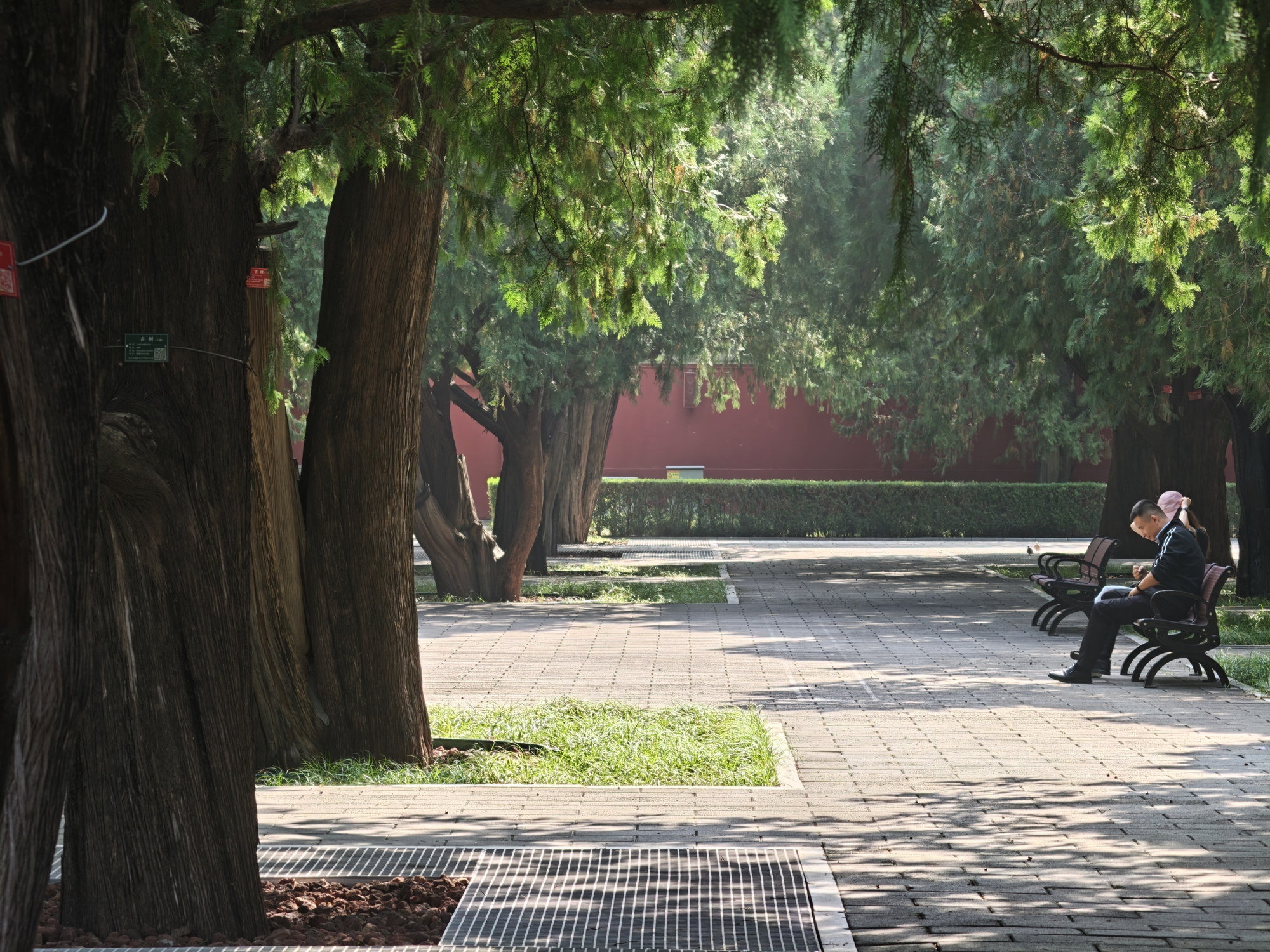
In everyday life,
keeping moments worth pausing for.

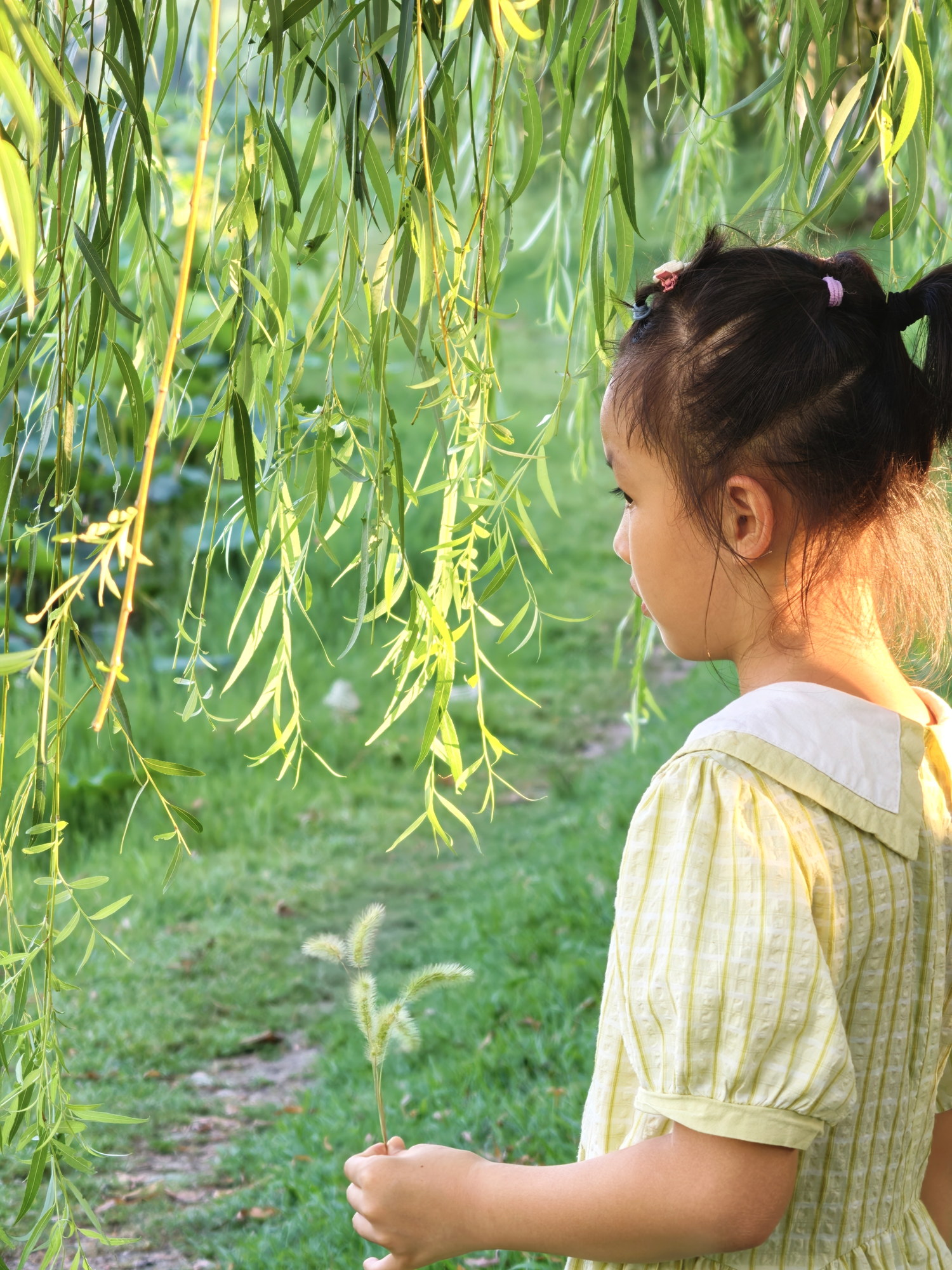
Electrical and Electronic Technology; C Programming; building and refining multi-agent collaboration architectures; revising and submitting my paper.
For the Guangdong provincial semifinals of the 2026 College Student “AI + Information Literacy” Competition, designing a tool to detect, quantify, assess, and repair shifts in how scientific concepts are communicated. Also refining a research and fact-checking skill for competition preparation.
Which faculty research project should I join?
Still exploring the food around the Huangpu campus.
WeChat / zengjihanweixinhao
Email / JihanZeng4403@gmail.com